👋 I'm Ivan. I study how top 1% startups grow.
In case you missed it:
P.S. Paid subscribers get up to 6 months of Notion, 4 of Granola, 10 PitchMagic reviews ($49) + a year of doomscroll.fyi. See the perks.
Hello there!
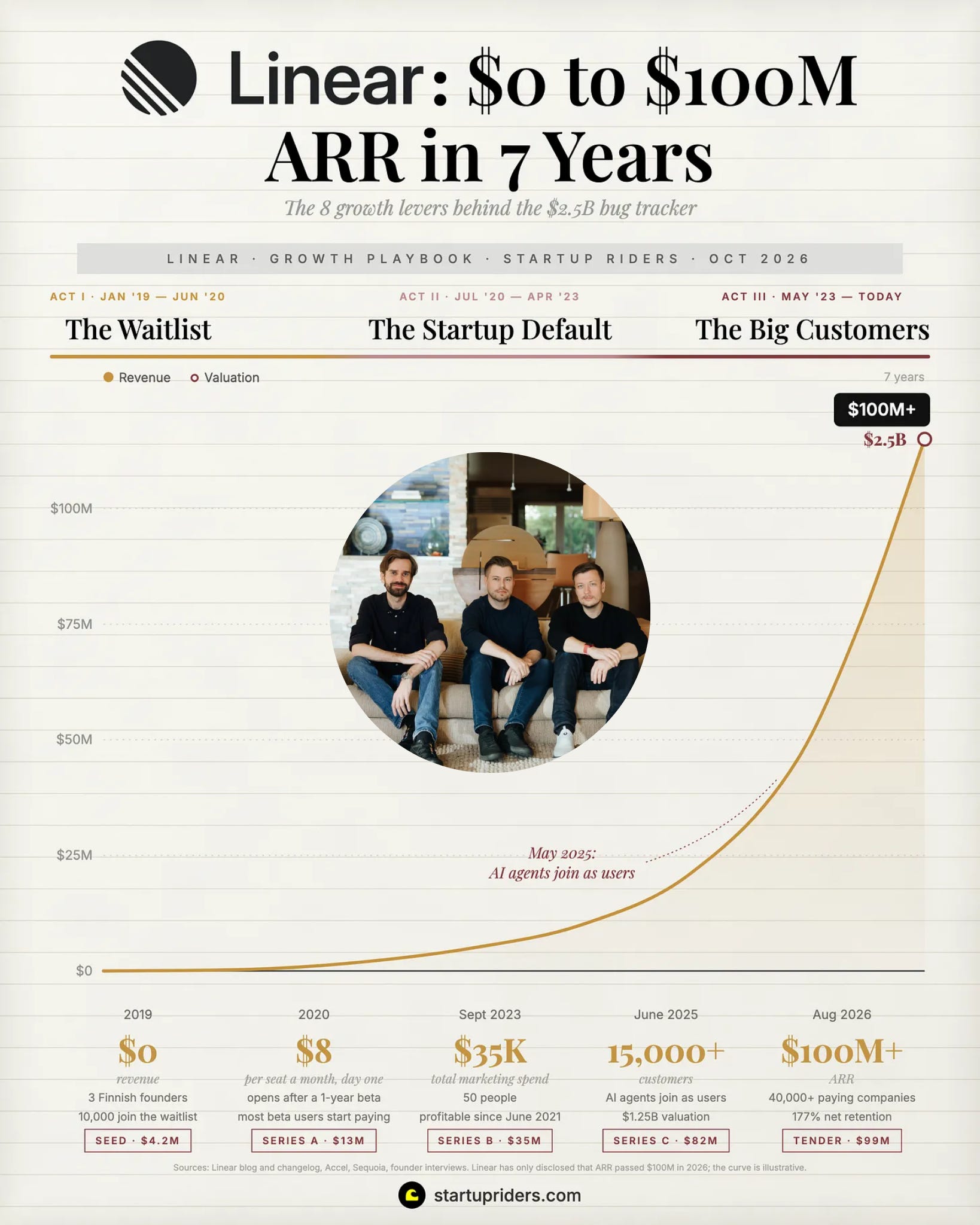
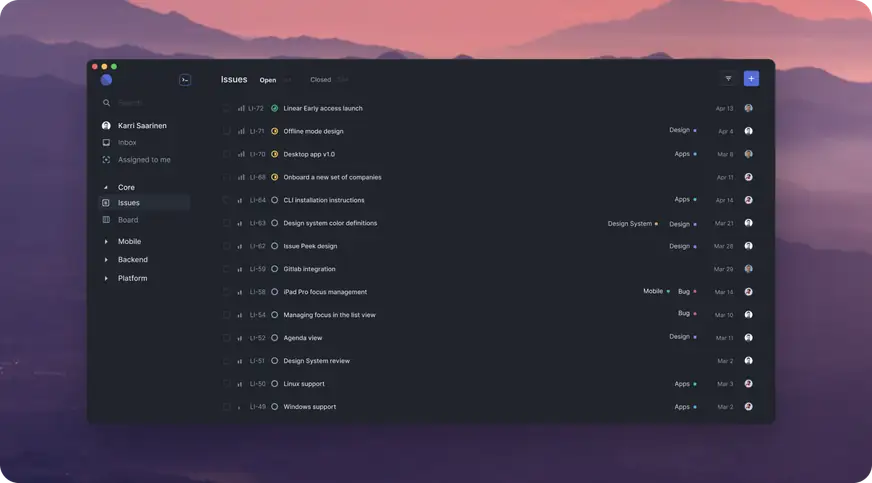
This week I'm diving into Linear, a tool software teams use to plan and track their work, which says it passed $100M in yearly recurring revenue earlier in 2026 (7 years after its founding):
In a nutshell:
Product: started as an issue tracker which is the shared list of bugs + tasks and projects dev team works from (something they open many times a day). For the last 20 years the default has been Atlassian's Jira (painful). 40K+ companies pay for it today including OpenAI, Ramp, Coinbase, Figma etc.
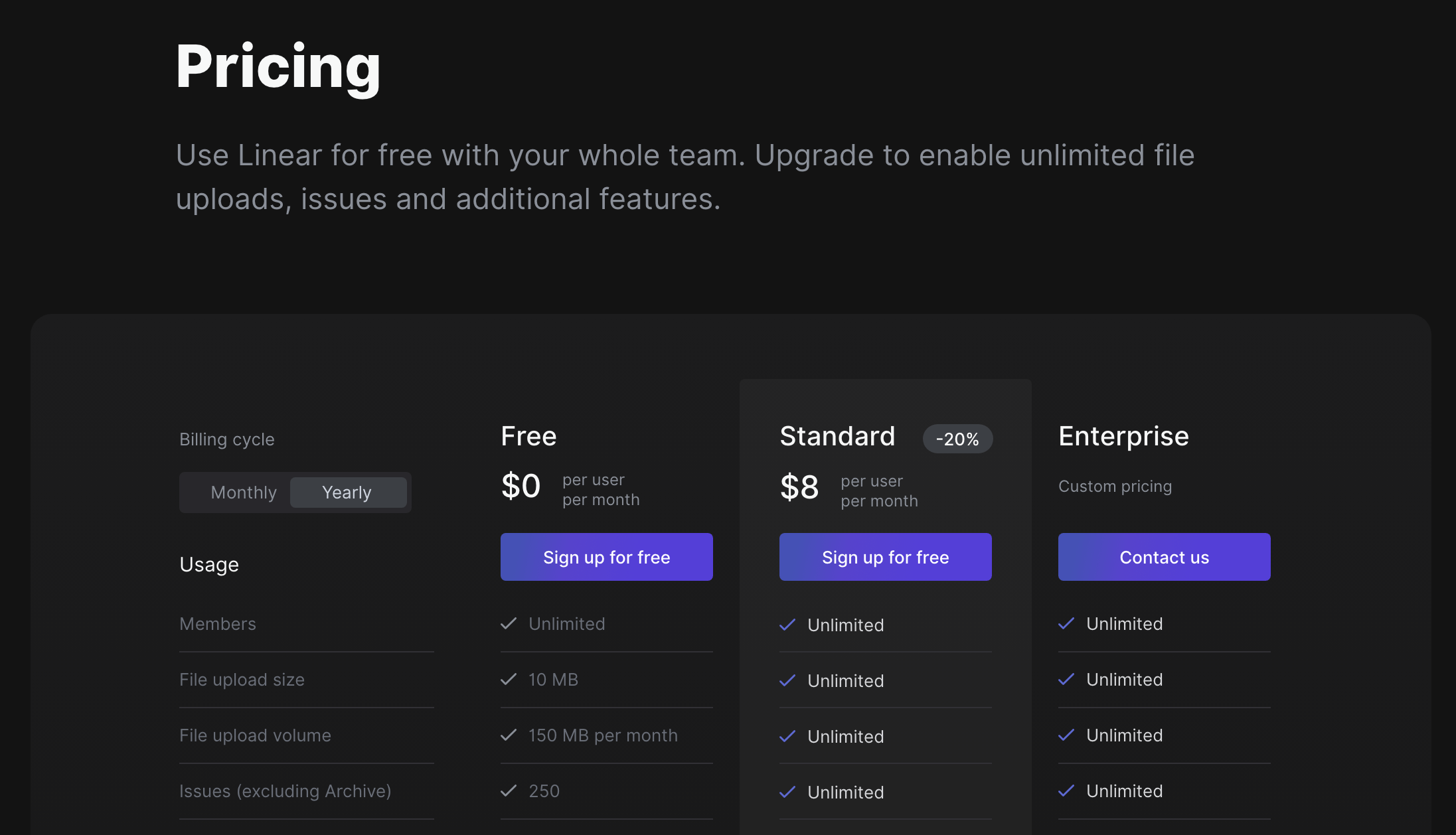
Money: free for a team of any size up to 250 active tasks then $10 or $16 per person per month when paid yearly, with custom deals for big companies (+ since 2026 a usage charge for work done by Linear's own AI agent). Profitable since 2021 with about 120 people.
8 growth mechanics I found in this drop:
A waitlist used as a filter
Charging from day one
A changelog instead of ads
Built for the people doing the work
Free until the work piles up
Deployed sales teams only where they already had fans
Easy to try next to the old tool
AI agents as free users
📐 Quick note on editorial + methodology: this analysis focuses on the 80/20 mechanics that explain their growth (it's not a comprehensive profile, not an endorsement or investment advice). I use AI like a fund leverages an analyst for groundwork, the direction + judgement are mine. Company-reported figures are marked as such, treat directional estimates as directional. Dots only connect looking back (hi, survivorship bias), but there’s still gold in how they did it.
Today’s newsletter is brought to you by: PitchMagic.ai
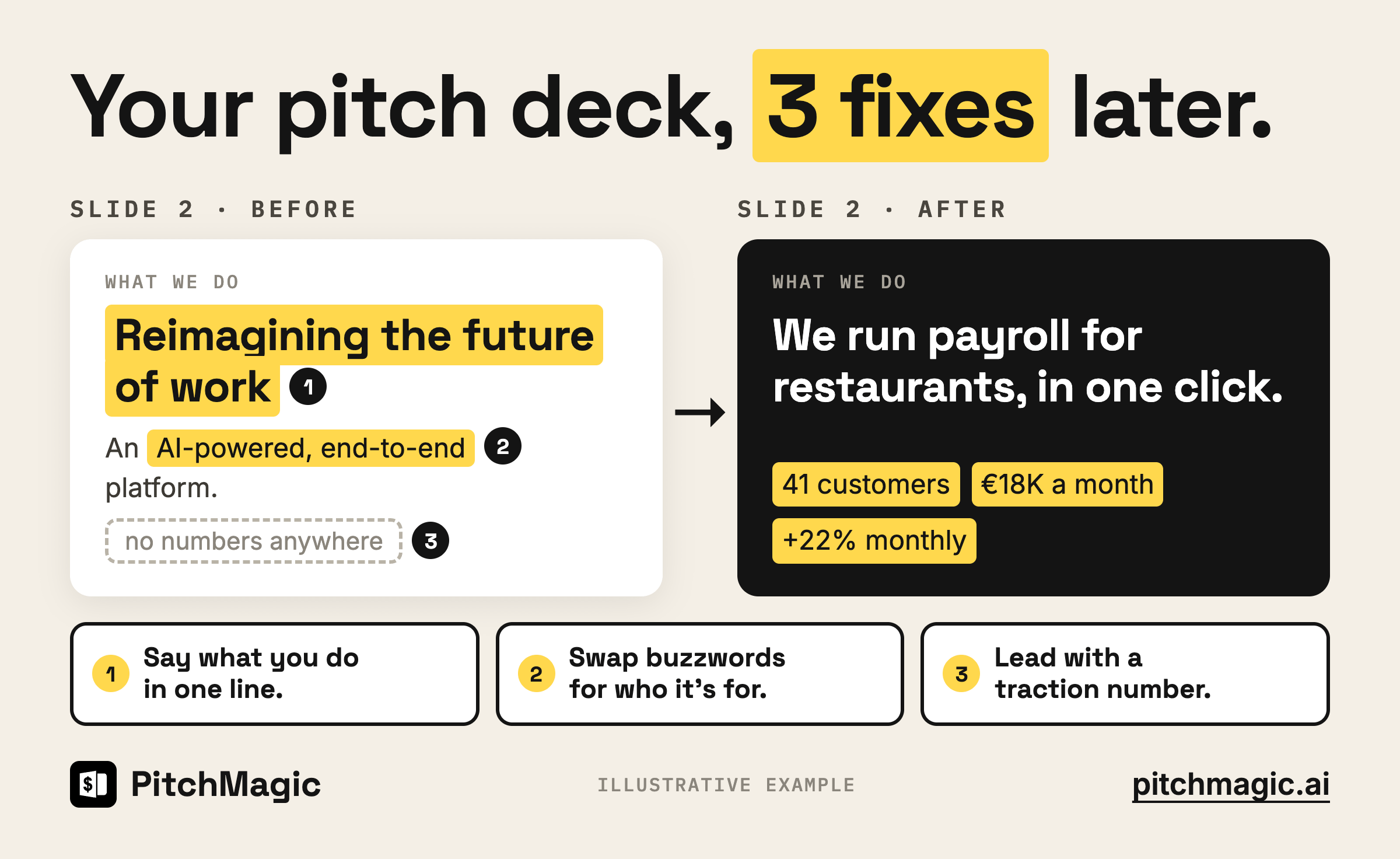
Investors rarely tell you why they passed.
PitchMagic gives you that feedback, before you hit send.
I built it because friends kept asking me for feedback on their pitch decks.
It grades your pitch deck on the 4 questions investors ask themselves when making decisions, scores it, marks the exact words to change on every slide, and ranks the 3 fixes that matter most to get your foot in the door. Try it:
📌 Want to sponsor Startup Riders? Get in touch.
Zero To One

Who: 3 Finnish friends fed up with the tool their company tracked its work in:
Karri Saarinen (CEO): is a designer who co-founded a bookmarking app called Kippt that got into Y Combinator in 2012 (first Finnish one I believe), then became Coinbase's founding designer (12 people to 100+) and a designer at Airbnb.
Jori Lallo (CPO): was Karri's Kippt co-founder and also joined Coinbase as an early engineer when it bought Kippt in 2014.
Tuomas Artman (CTO): spent 5 years at Uber where the mobile engineering team went from about 15 people to 400+.

Where they started: at Airbnb Karri disliked Jira so much that he wrote a browser add-on to restyle it and about 100 colleagues installed it. Through 2018 the 3 met every Wednesday at a bar for about a year asking colleagues what they hated about their tools (Karri and Tuomas still had their day jobs).
Market wedge: the number one complaint was that these tools are slow. The pain the founders felt most was that they are built for managers who buy them and not for people doing the work. They bet on a tracker that felt more instant and that engineers would potentially love using. They also kept it narrow on purpose for eng + designers at small startups, and one job only (tracking tasks and bugs).
The MVP: went full time in March 2019 and had a prototype in about 1 month which they gave to 10 friends (one friend's whole 10-person team switched). Tuomas says they spent about half a year on the plumbing to make clicks feel fast.
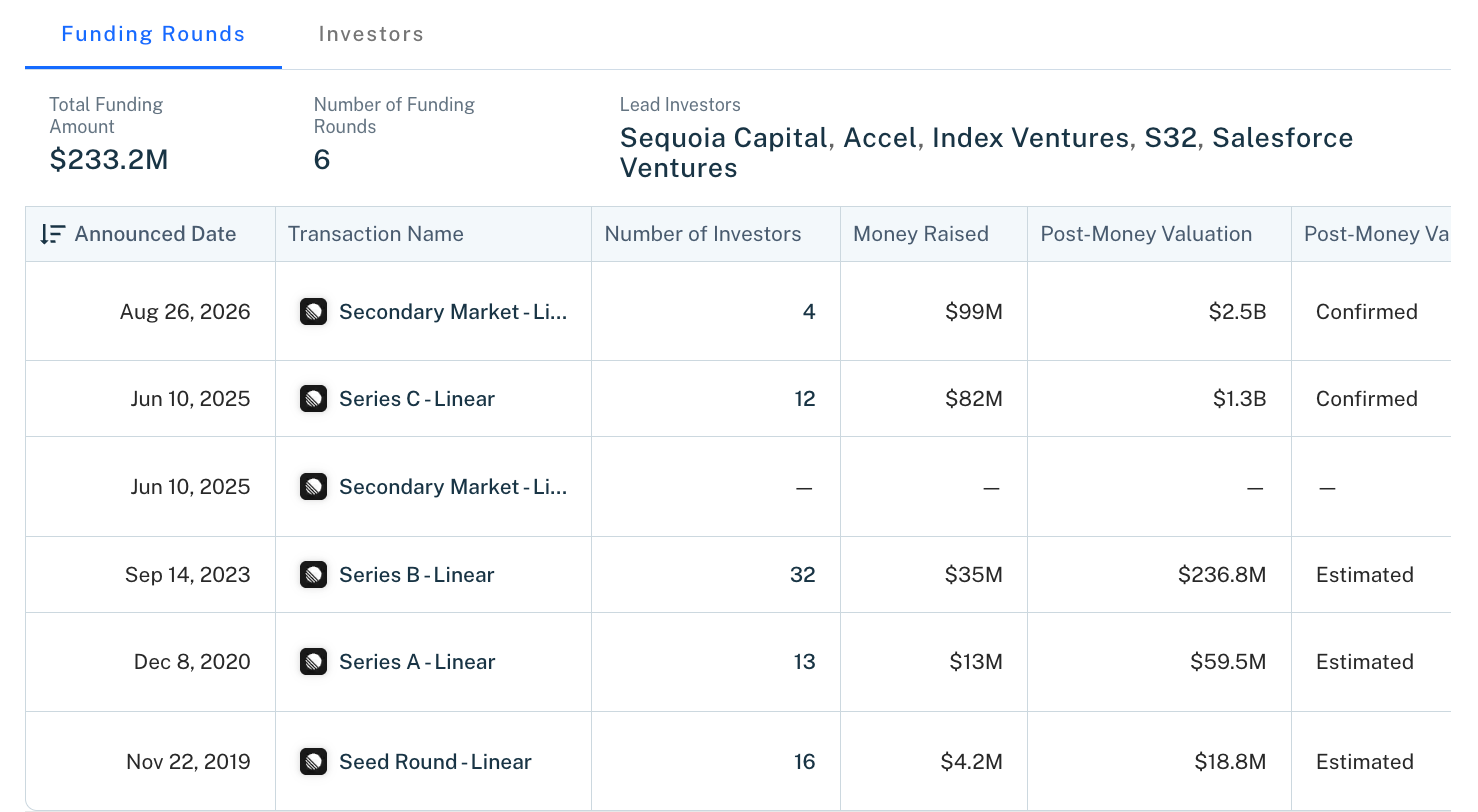
First users: after the 10 friends everyone came off a waitlist and they announced the company in April 2019 with a blog post before the product was open. Stephanie from Sequoia got in touch 2 days later and led a $4.2M seed.
Growth Mechanics
Lever 1: Only let in people the product could retain (then widened 1 group at a time)
“We could invite 10 people, see what happens: do they start using it, what kind of feedback they have. Then fix those things that they tell us, then invite a new cohort.” (Karri Saarinen, First Round's In Depth)

What happened: 10k+ people joined the waitlist, product stayed invite-only for 1 year. Everyone who signed up answered a survey and then the team would use answers to decide who got in. First it was only founders of small startups whose complaint about their current tool was something Linear already fixed. When that group stopped asking for new things they let in a slightly wider group and did it again, until they opened to everyone in June 2020.
The details:
The survey asked 6 things: company size, role, current tool, where the team keeps its code, why they wanted Linear and their pet peeve with what they used. Anyone whose code wasn't on GitHub was skipped because that was the only one Linear connected to, keeping problem space narrower.
They picked founders first because founders will get on a call and will forgive missing features if they like where it's going. Tuomas says this gave them a first group that didn't leave.
The pace started at about 10 people a week (more later), picked by hand and emailed by Karri himself. His logic is that if everyone arrives at once they all hit the same bug and tell you the same thing (Lenny's Podcast).
When they let a few bigger companies in those left quickly so the team asked them why and kept the answers as the list of what bigger teams would need (Slush 2023).
Karri's mentions that about 1 in 10 became users that year and says people stop caring after a few months of waiting.
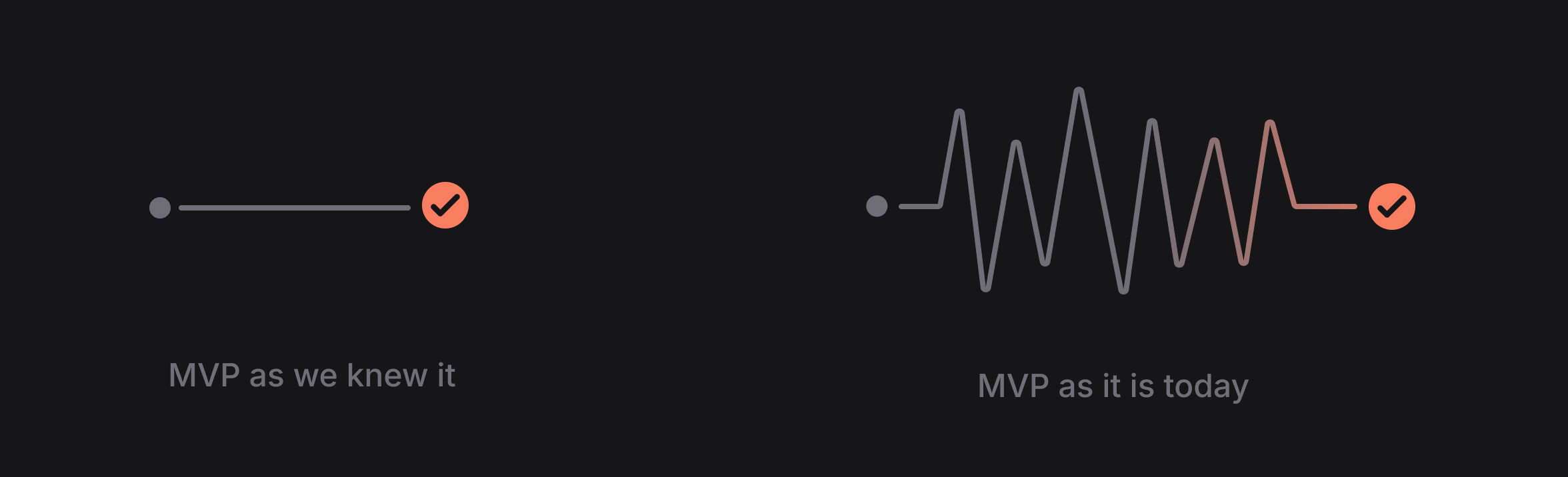
So what: Tuomas' argument is that a typical MVP doesn't work when you walk into a crowded market like this one because everyone already uses a tool (job is being solved) and yours has to be better on the first try (meaningfully so). They decided to use the waitlist to choose their users instead and I'd guess that's why it mattered for growth, because every group was already sticking around before the next one came in so by launch day they knew people stayed (which likely helped give them the right type of word of mouth).
Lever 2: Charged from launch day (after testing that people would pay for “nothing”)
“People signed up for that without really getting any benefit out of it. So that gave us the confidence that we're really ready to open it up.” (Tuomas Artman, Slush 2023)
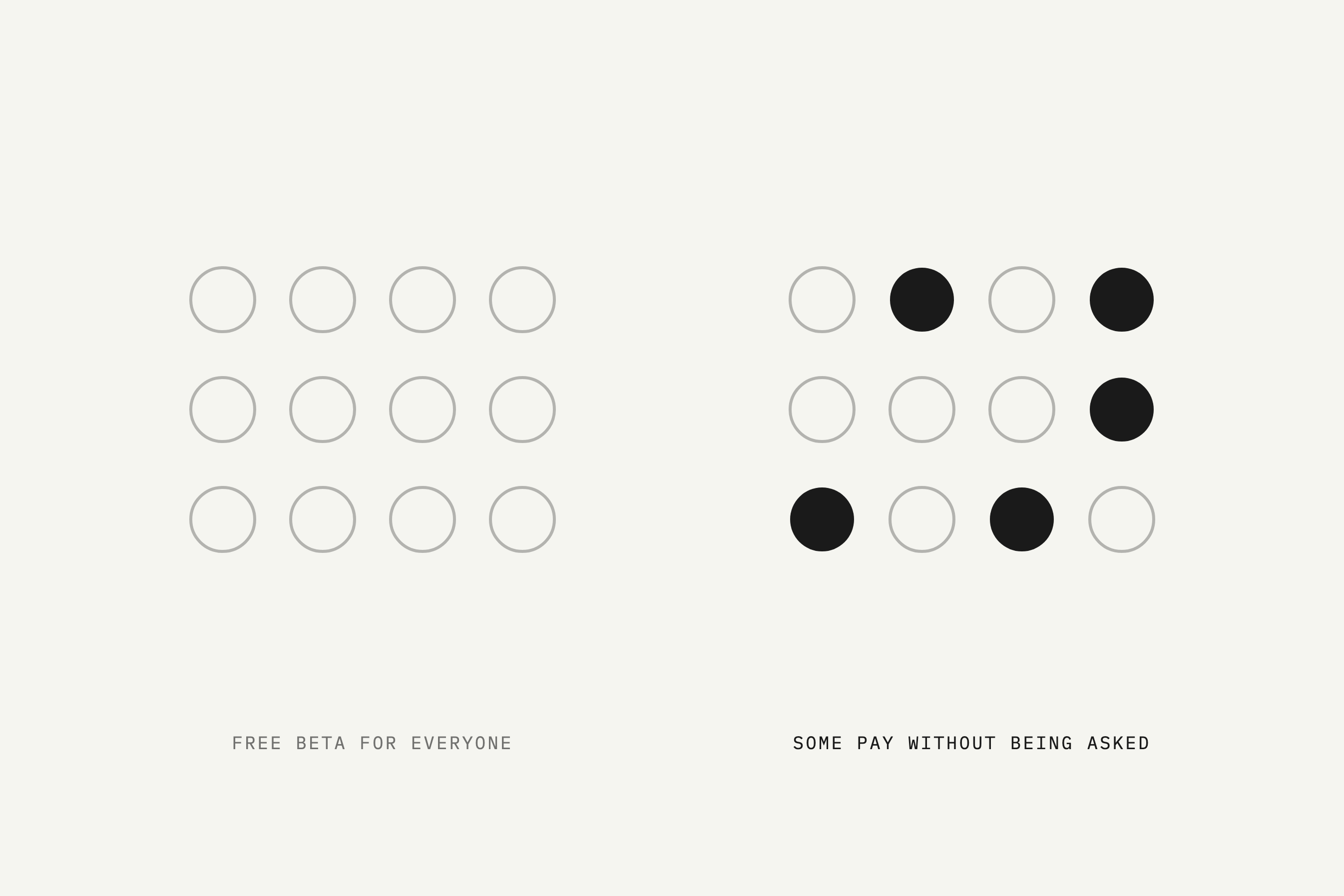
What happened: the beta was free but at some point they added a page in the settings where a team could choose to pay if they felt like it 🤯. They called it “Friends of Linear” and it came with nothing except the team's thanks, and people paid anyway! So in June 2020 they opened to everyone with real prices from day 1.
The details:
This is a super interesting approach to initial pricing, Karri remembers the optional plan as a slider for how much to pay per person with people picking anything from $1 to about $20 (Lenny's Podcast).
When “real” pricing went live the vast majority of beta users became paying customers.
Revenue from launch day + slow hiring made June 2021 their first profitable month a year after launch. Tuomas says it wasn't planned and that they only hired people they were very sure about so the team grew slower than revenue.
Accel wrote in 2025 that Linear had not touched its Series A or B money.
So what: this was a willingness-to-pay test that cost them a settings page (and worked!). Paying for “nothing extra” is a pretty seriously honest signal (vs a waitlist which only tells you people are curious).
Lever 3: Published what they shipped every week or two (instead of buying ads)
“We started doing a weekly changelog. We committed to doing it and have stuff there. You feel embarrassed if you don't have anything meaningful.” (Jori Lallo, devtools.fm)
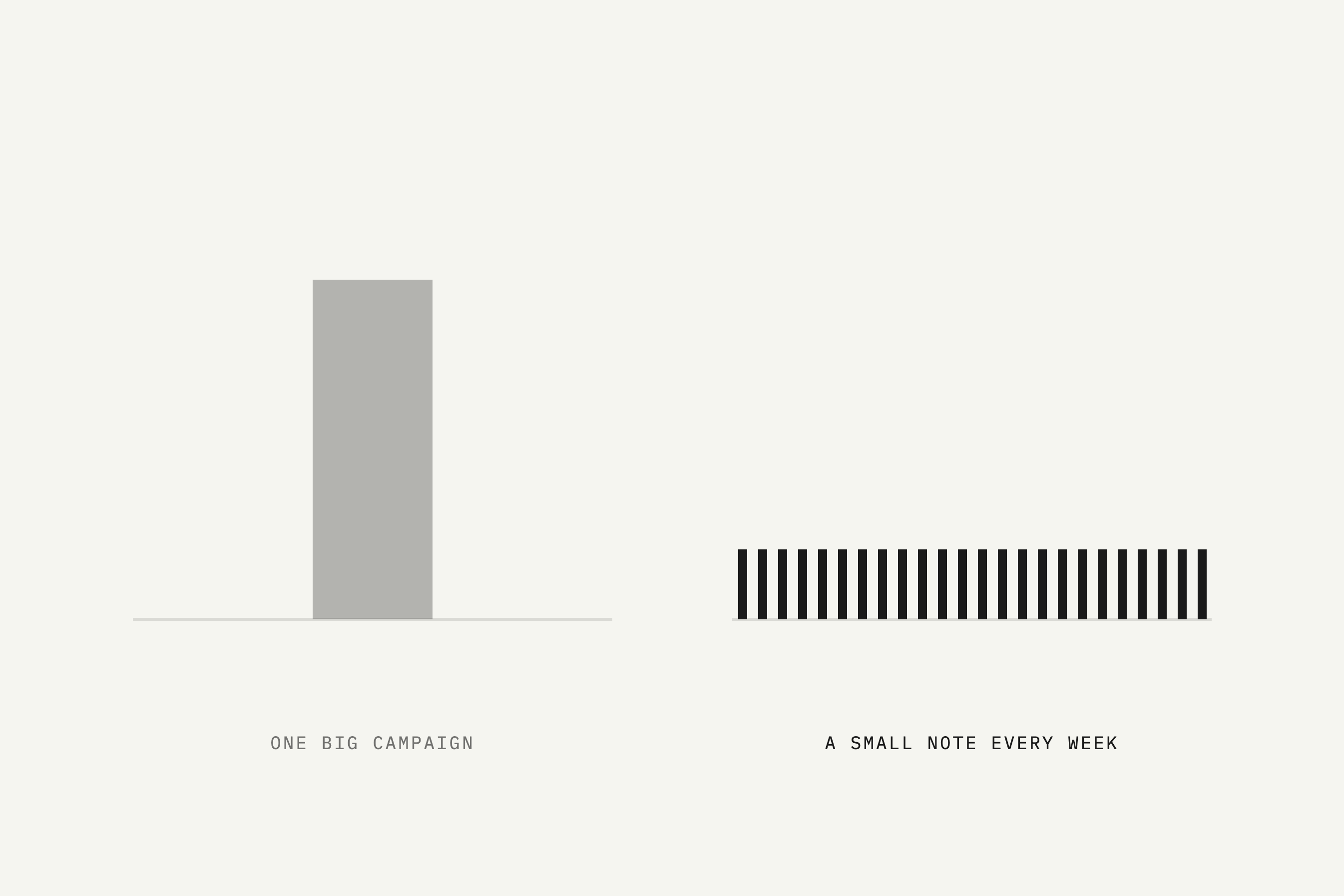
What happened: since April 2019 (before the product was open) they have posted a changelog every week for the first 3 years. It started as a way to keep themselves honest and turned into a form of cool marketing since users shared it and job candidates and investors read it. They also "launched" 4 separate times in 20 months.
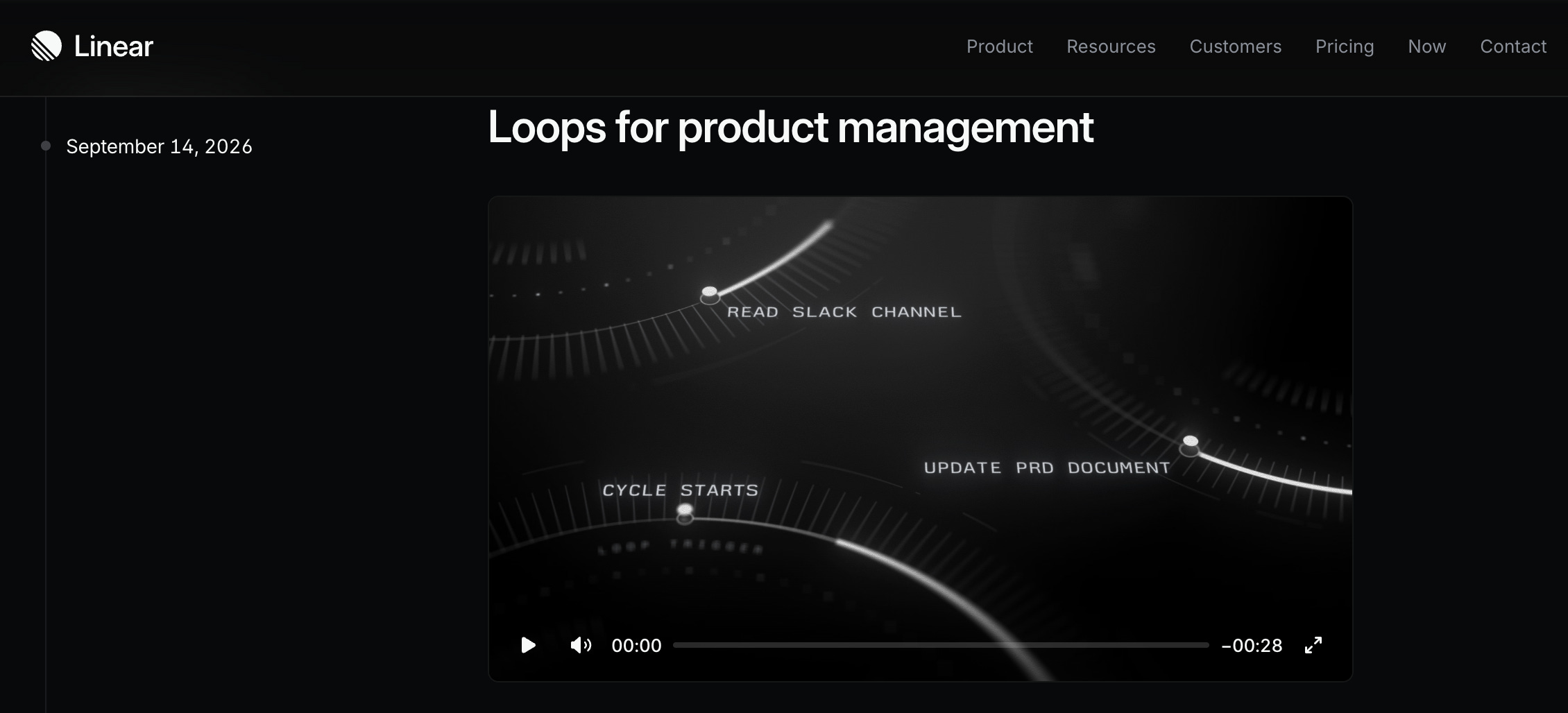
I find it really cool how you can tell they care about the design / artifacts in these changelog notes, it feels pretty special and fun to read.
The details:
I count about 250 entries on the public changelog up to September 2026.
Total marketing spend from founding to September 2023 was $35K. Karri's own figure is about $30K on ads and all of it on 2 podcast sponsorships (to 20vc and another one).
The small budget didn't last though since they now spend a lot more because big buyers need to see you're “serious” and since then they have sponsored at least 14 podcasts and newsletters for engineers and put up a billboard in SF.
Designers have started imitating their style from their launch pages (dark, glassy) and since early 2023 the look even has a name “the Linear effect”.
They also attack bugs in a similar way, a few years in they paused everything for about 3 weeks to fix 100+ or so open bugs (we used to do something similar at Facebook on my team, Fixathons) and since then every bug gets fixed within a week or openly declined (2K+ fixed in 2024). Karri tells new hires this is a commercial thing too since it gets people talking.
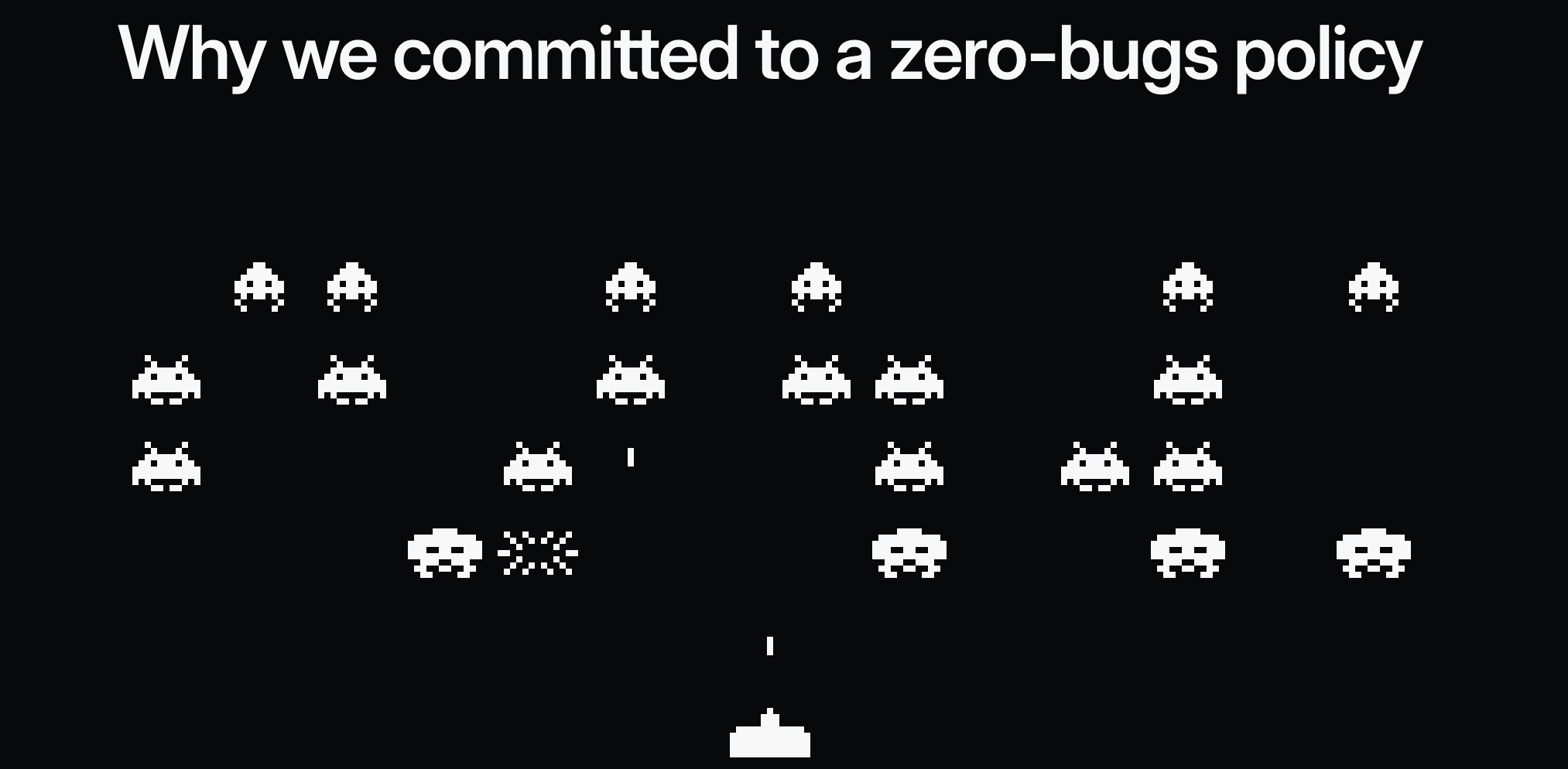
So what: this is building in public where the product roadmap is kind of a content calendar so in a way shipping gives them something fun / true to say every week (we saw Lovable do something similar in our growth deep-dive, levers 2 and 4).
Lever 4: Built it for the people doing the work, who signed up alone and pulled their company in
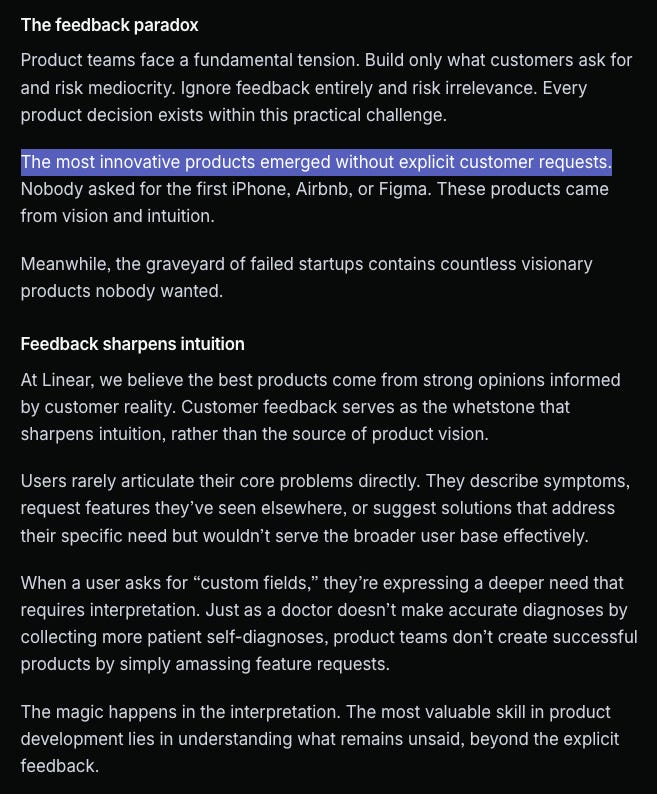
“Feedback sharpens intuition” — Sagan Schultz
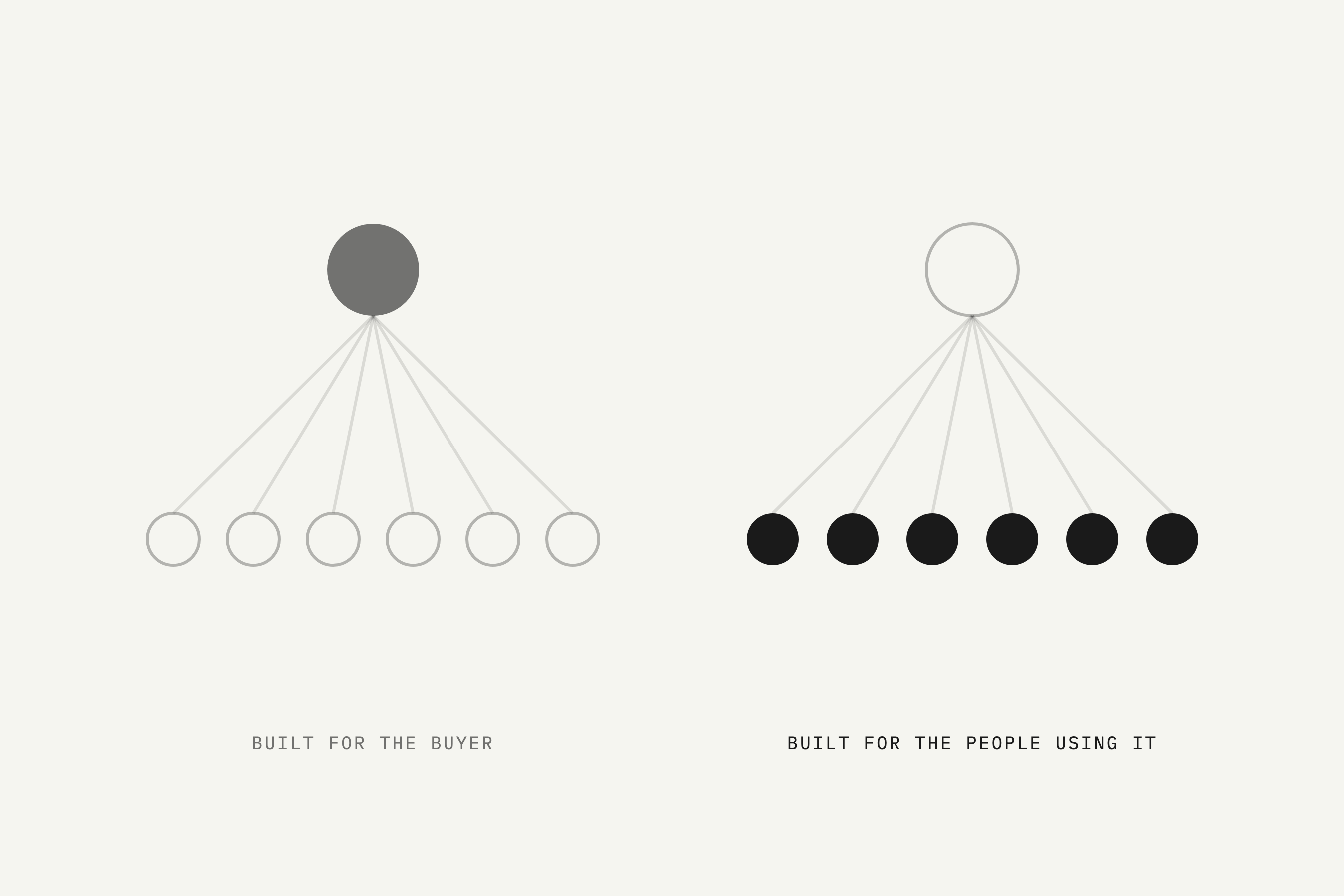
What happened: most work software is designed for whoever signs the contract, tends to fill up with reports + mandatory boxes that managers ask for. Linear decided its user is the engineer who opens it many times a day and refuses requests that make that person's day worse just to make a manager's reporting easier. Eng then started signing up by themselves and asking their own companies to switch 👍.
The details:
There is one kind of request they always turn down = custom options asked for by middle managers to make reporting a bit easier at the expense of eng (according to Nan Yu, the then head of product).
Users kept asking for “custom fields” (a box you add to every task, like “which customer wants this?”). When the team asked them why about 40% said they wanted to keep track of which customers had asked for what. In December 2024 instead of the box they built Customer Requests were requests from support chats or the sales CRM get attached to the task automatically. Custom fields still don’t exist in Linear. I loved how they framed this in one of their notes, a bit of a masterclass in product-sense:
OpenAI started with a trial of about 100 people in November 2023 and has grown to 3,000 users, and Scale AI planned to move 50 people over and 200 more signed up on their own (both are Linear's own case studies).
So what: this is product-led growth aimed at the engineer who can't sign a contract but is the one complaining (or raving) about the tool all day, and it puts Linear in a different fight to Jira (which sells to the buyer). They’ve also managed to cultivate an aura of great product-sense + design which attracts top talent. I'd guess the trade-off here is it costs them some deals but it's why a lot of their big sales start with people already asking for it (lever 6).
Lever 5: Made it free for the whole team until the work piled up
“We have a very generous free plan. Maybe not every customer thinks so, but in general, the vast majority of our weekly active users are free.” (Cristina, COO, Peak)

What happened: most tools limit the free version by number of people (Jira's is free for up to 10 users). Linear did the opposite with unlimited people for free but only 250 active tasks. The team is in from the first day but the bill only starts once they are clearly doing real work in it (that limit hasn't moved since launch day apparently).
The details:
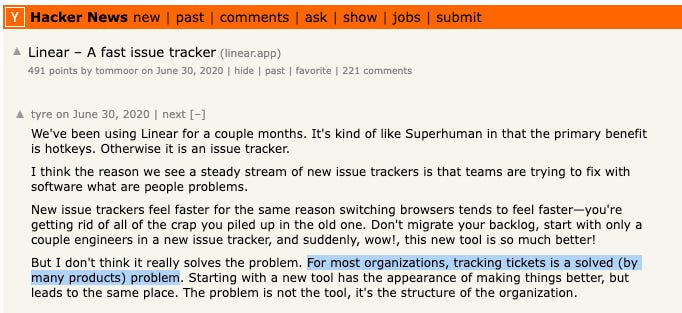
On launch day Jori explained that small teams shouldn't have to worry about who to invite so only active tasks count (wrote it on Hacker News)
They also went after companies while they were tiny. YC startups for example got a free year in 2021 (similar play to Supabase, although linear wasn’t in a batch) and as of October 2026 startups under 50 people can get the paid plan free for up to 6 months through about 490 partner investors, accelerators and startup communities.
A lot of those startups grew for example Ramp (also covered their growth trajectory here a few weeks ago) has been on Linear since 2019 and Tuomas says that was the plan from the start.
By September 2023 most of their monthly revenue growth came from existing customers adding employees.
So what: this is land + expand where the landing costs 0 since limiting work vs people lets the product spread through the company before someone asks for budget. Of course, downstream from building something people love using.
Lever 6: Waited 3 years to hire sales and then sold to companies where staff already used it
“I can actually connect you with 5 other people who've signed up for Linear in the last month from your organization, and maybe you can band together and we can make this happen.” (Cristina Cordova, GTMnow)