👋 I’m Ivan. I study how top 1% startups grow.
In case you missed it:
Hello there!
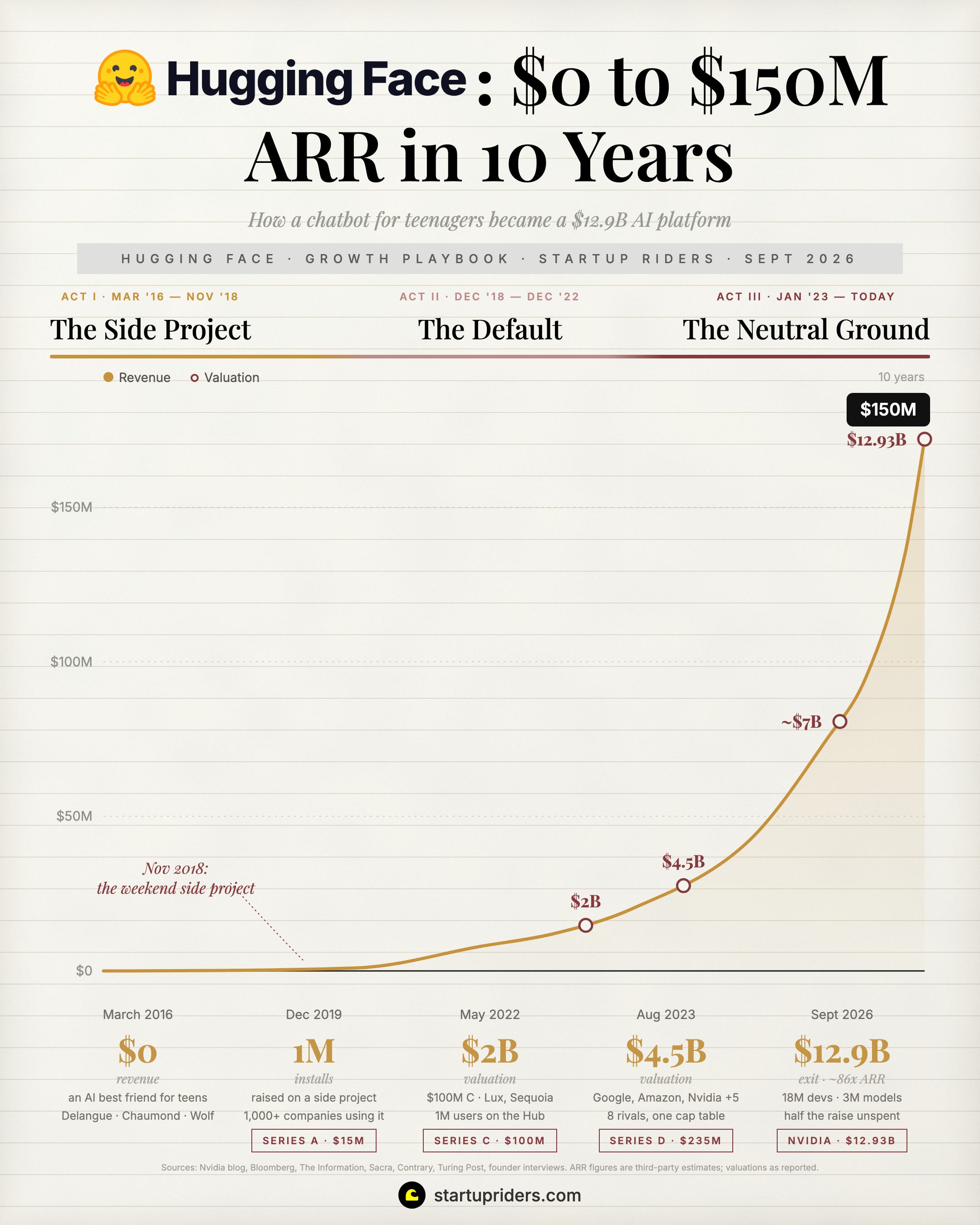
This week we’re diving into 🤗 Hugging Face, the open-source AI platform that Nvidia just agreed to buy for $12.9B, 10 years after its founding.
In a nutshell:
Product: a website where the world’s open AI models live, a bit like GitHub but for AI instead of code (today 3M models, 18M devs, and 50% of Fortune 500).
Money: free for everyone, companies pay for private hosting, security and admin features + the compute power to run models (from $9/month up to enterprise contracts). Roughly $150M a year at the sale from what I could find.
Driver: best way to describe it is using Clem Delangue’s (founder) words: “Our main goal is not so much to build a big company or to make money. I’m most excited about the potential for change and reinventing new rules.”
Also trying something new with this one. We’re going straight to growth mechanics that could be used by you (or at least help you to think different).
If you prefer it to the usual long version, hit reply and tell me 🙏.
7 growth levers this drop:
Made a giant’s breakthrough work where users already were
Became the place where a whole field stores its work
Made their research and team a marketing engine
Stayed neutral so everyone’s customers could use them
Gave the software away and charged for running it
Made leaving the expensive option a one-line change
Entered their next market by making it cheap to start
📐 Quick note on editorial + methodology: this deep-dive focuses on the 80/20 mechanics that explain their growth (it’s not a comprehensive profile, not an endorsement or investment advice). I use AI like a fund leverages an analyst for groundwork, the direction + judgement are mine. Company-reported figures are marked as such, treat directional estimates as directional.
Zero to one
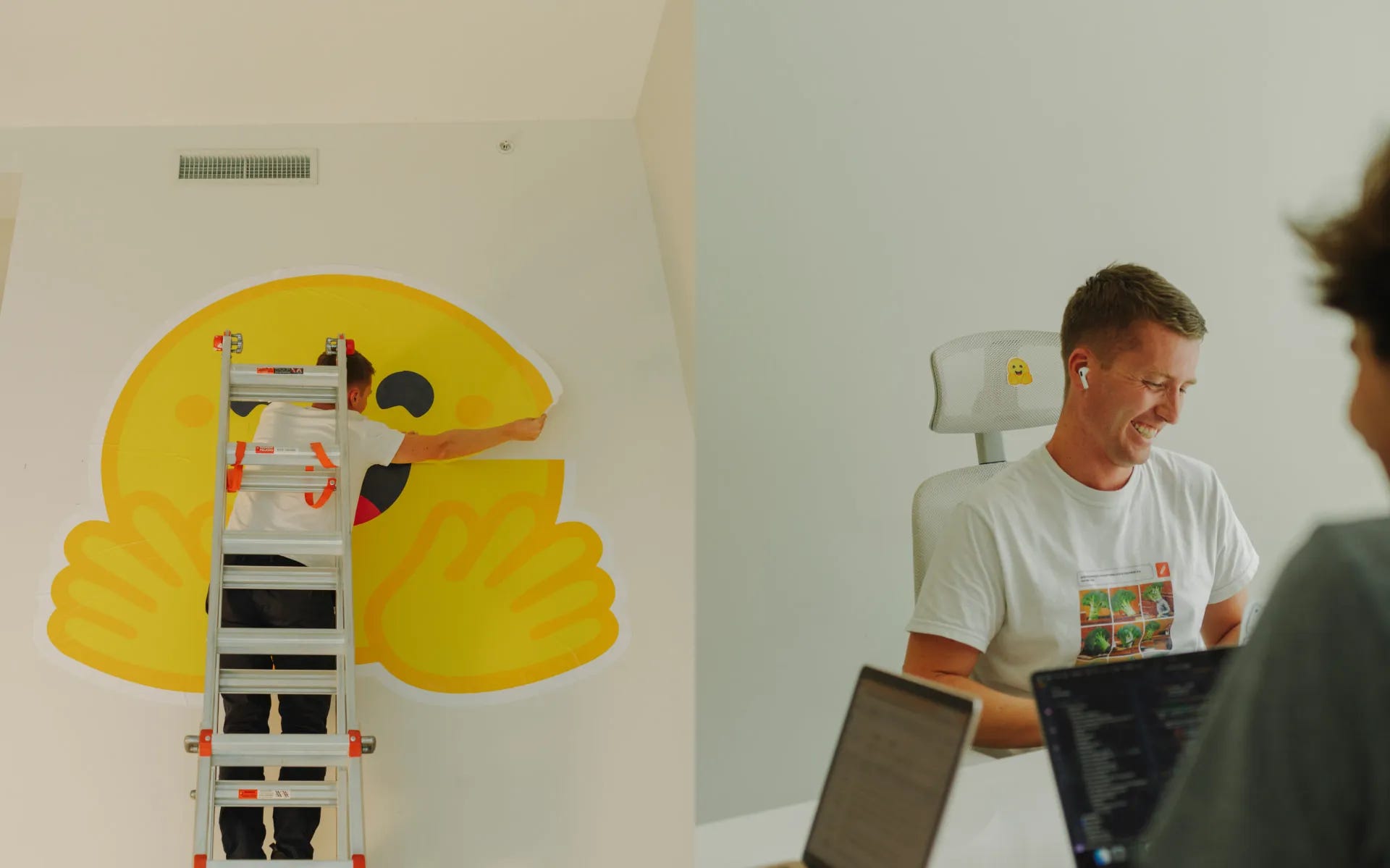
Who: 3 French guys (none of whom were AI researchers btw).
Clem Delangue (CEO): a business school grad, teenage eBay power-seller, then product at an image-recognition startup Google later bought.
Julien Chaumond (CTO): Polytechnique + Stanford engineer, ex-adviser on digital at France’s Ministry of Economy.
Thomas Wolf (science): he is a quantum physics PhD, spent 6 years as a patent lawyer.
Where they started (2016): an “AI best-friend” chatbot for teenagers named after the 🤗 emoji. To power it they built their own language tools and shared them online for free (which is how researchers eventually noticed them).
The wedge (Nov 2018): Google released BERT (program that understood written language better) and gave it away. The catch was it only worked with Google’s own software kit for building AI (most researchers used Facebook’s kit at the time, the two didn’t mix, think of this like an Android app on an iPhone).
The MVP: Hugging Face’s team used Facebook’s kit and wanted BERT for their chatbot so Wolf and 2 teammates rebuilt it for Facebook’s kit (in 1 weekend!), checked it gave the same answers and gave it away free.
First users: researchers found it on their own and 5 months later over 5000 developers had bookmarked it (“we were certainly not expecting that”). 1 year later they were at 1M installs…
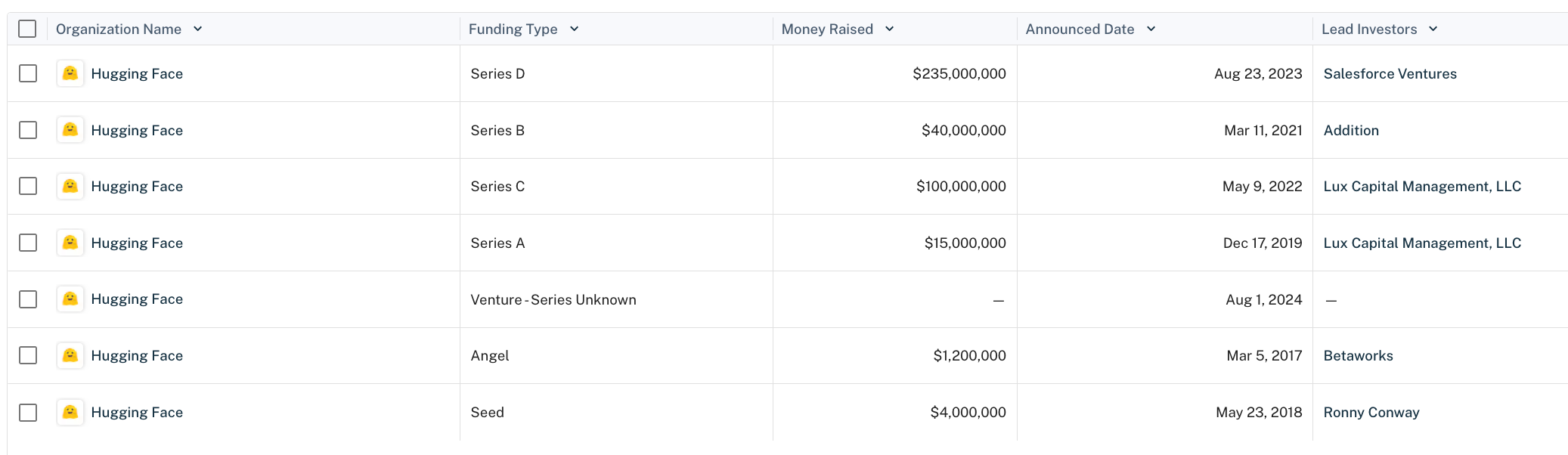
The call: after 6 months of watching the free side project do better than the “original” product they decided to kill the chatbot and raise $15M from Lux.
Growth Mechanics
Lever 1: Made a giant's breakthrough work (Google’s BERT) where users already were
“Make sure to spend at least 30 or 40 percent of the company’s efforts on exploring new things.” (Clem, No Priors)


What happened: Wolf’s rewrite of BERT made Hugging Face the easiest way to use Google’s best language AI at that time, which grew into transformers (still one of the most-used free AI libraries in the world).
The details:
Their library worked with both kits (both Google’s and Facebook’s). A lab could publish a model once and reach everyone and a developer could try a model with basically 3 lines of code (made it very easy).
They kept doing it, for example OpenAI’s early models were in the library very quickly so researchers stopped checking each lab vs waited for the HF’s version.
Today it has been downloaded over 100 million times a month!
That weekend experiment was sort of instrumentalized into a “policy” apparently with the founder Clem keeping 30-40% of the company focused on side bets (increasing the surface area for luck).
So what: often some of the best things in a field is stuck in a form most people can’t use (too complicated, obscure, expensive, hard etc), and whoever puts it where users already do their work can become the way in / build a wedge. In their case what was beautiful about this serendipity is that researchers who adopted it became salespersons for it (i.e. papers + tutorials sent the next researcher to that place).
Startup Riders is brought to you by… me 😅!
Stop doomscrolling with doomscroll.fyi. A Chrome extension that turns X, LinkedIn, Instagram, YouTube and Substack red the longer you scroll. Try it free.
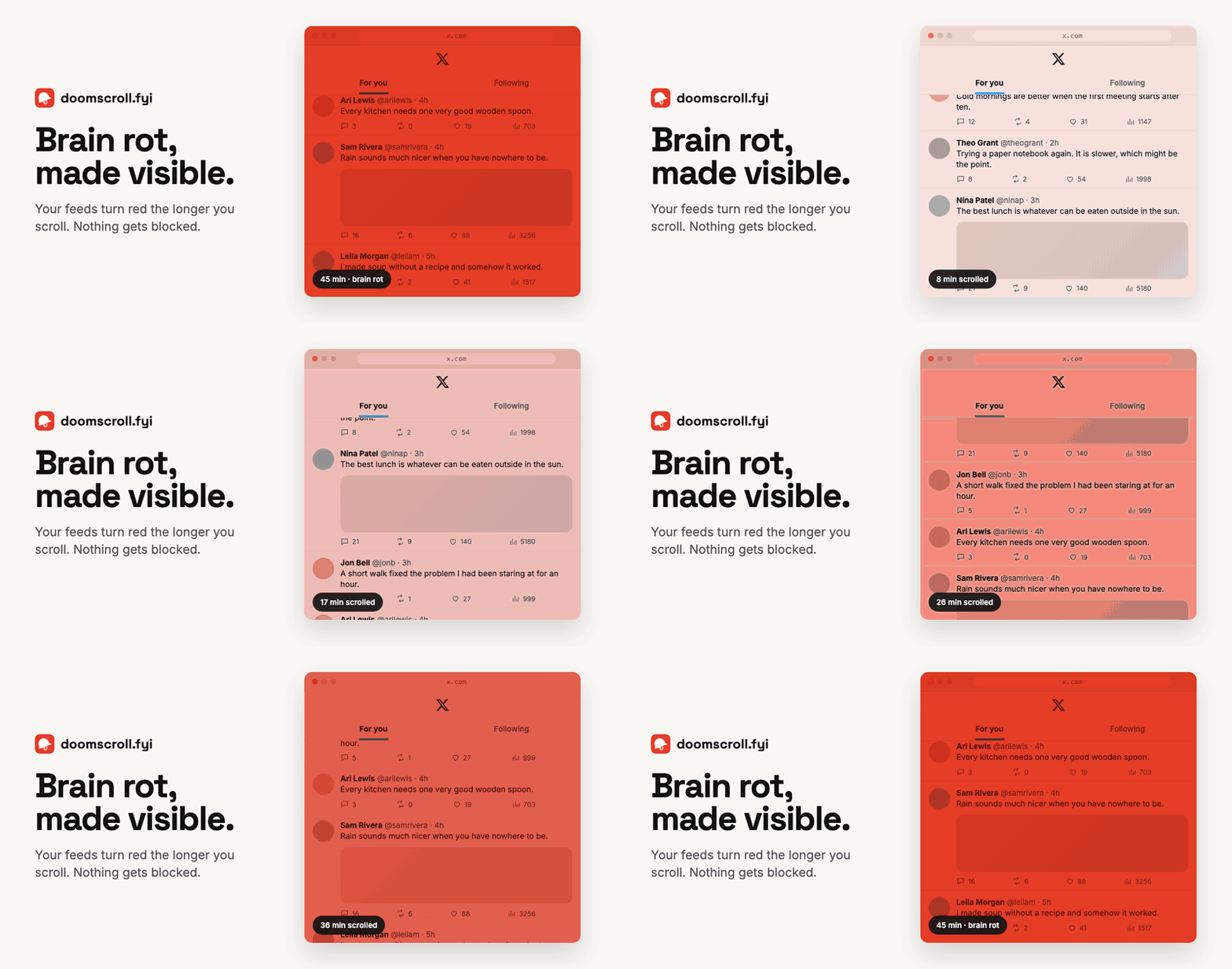
P.s. Want this ad spot? Get in touch.
Lever 2: Became the place where an entire (new) field stores its work
“We hacked super quickly the first version... it was super messy... But we validated that a lot of people were interested in sharing their models.” (Julien, CTO, MLOps)
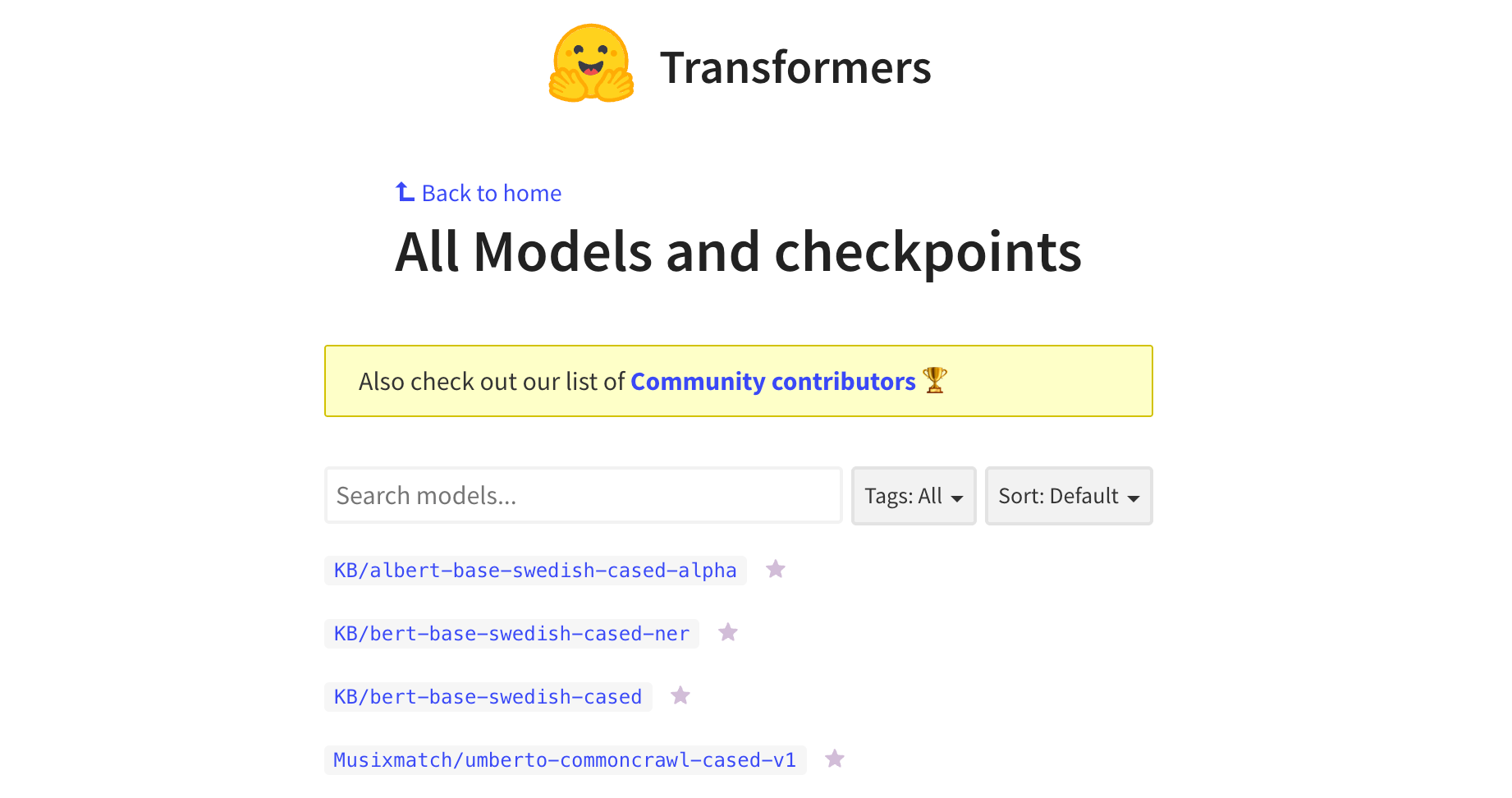
What happened: after the library they built a website where people could upload an AI model and anyone else could download it, kind of like a public Dropbox for AI.
The details:
They won the researchers first who were putting their models there and the developers who wanted to use those models had to follow.
Users went from 5M in 2024 to 18M at the sale.
Someone uploads something new every 7 seconds (in 2024 it was every 10).
They made leaving easy on purpose (we saw this also with our Supabase deep-dive). Meaning you can copy your files out any time (nobody feels trapped), which had the effect of more people moving in.
So what: this is in a way a two-sided network effect where every upload makes the place more useful to the next visitor and every visitor makes it more worth uploading to (eventually becoming “the place to be”).
Lever 3: Made their research and team the marketing engine
“We never hired any community manager, any communication/PR team members... even the most technical specialized scientists, it’s part of your job to interact with the community.” (Clem, No Priors)

What happened: they’ve had no marketing team, PR, community manager etc. They have everyone at the company talk to users in public, make their own research visible.
The details:
Got 1K+ researchers from 70+ countries to build a big AI model together publicly.
They ran a public ranking of which AI models are best with 2M+ visitors in 10 months + every new model gets measured on it (retired in 2025 though).
They also gave small builders $10M of free computing power to spin this wheel.
Good example of this is Clem tweeting that he was in San Francisco and suddenly a 400-person meetup became 5,000 attendees and 3 llamas.
So what: they leveraged the fact that their buyers read research and rankings (not ads necessarily in its strictest sense) and leaned in hard on it.
Lever 4: Stayed neutral so everyone’s customers could use them
“I tend to believe more in and trust more systems and incentives than people... because they’re all there, none of them is exerting too much power onto us.” (Clem, Internet History Podcast)
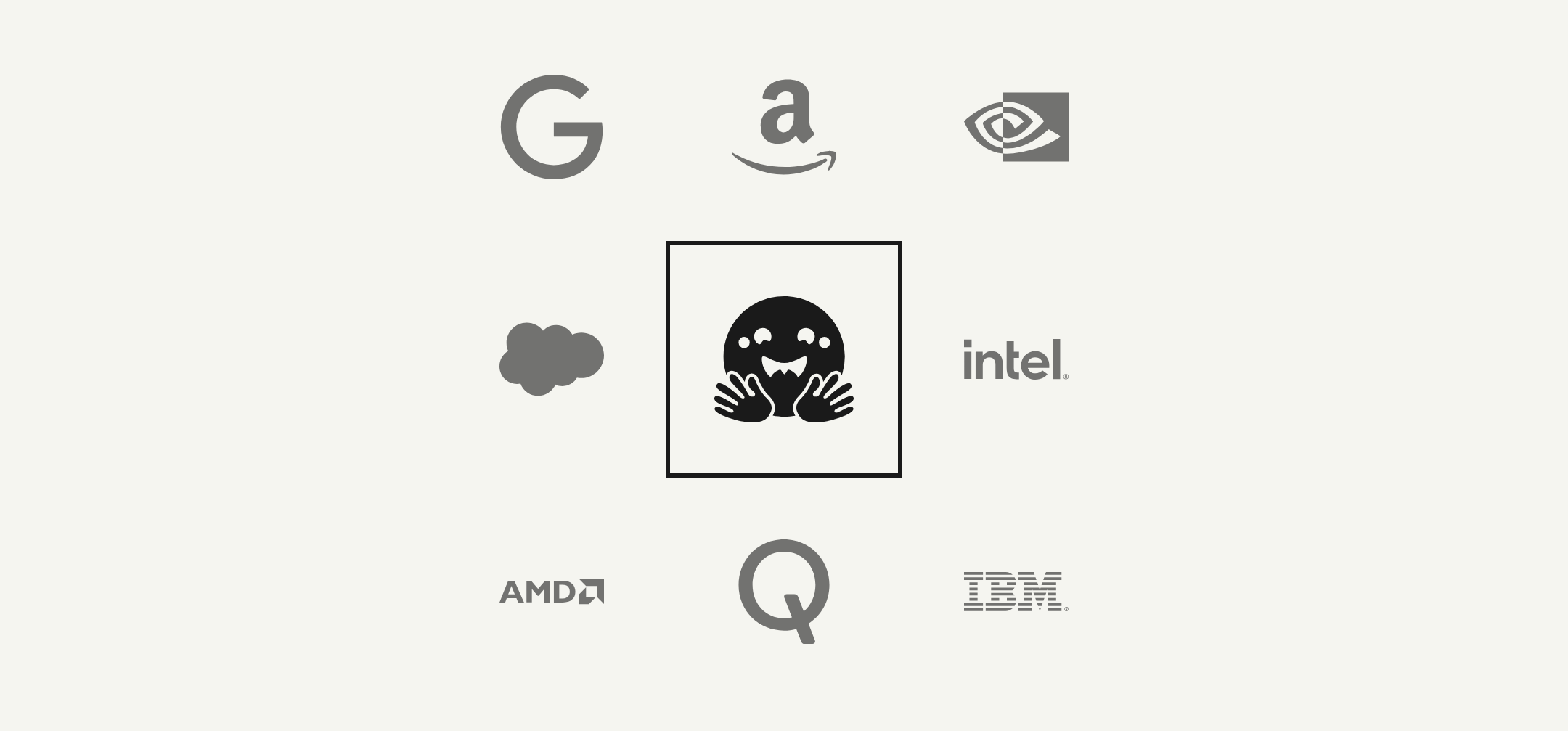
What happened: in 2023 they raised $235M from 8 big boys that compete with each-other to some extent on this front (on purpose). With all of them on the cap-table no single one could steer the platform, and therefore they could keep working with everybody.
The details:
One round with Google, Amazon, Nvidia, Salesforce, Intel, AMD, Qualcomm, IBM.
Clem called this “a very intentional decision”
Several of them plugged their own products into Hugging Face anyway (see here for example with Nvidia in 2023 and Google in 2024).
Nvidia became the biggest contributor of free models
So what: picking a side costs you every customer on the other sides. Belonging to nobody made them usable by everybody.
Lever 5: Let employees use it free and charged companies for control
“Usage is delayed revenue. If Hugging Face keeps being the number one platform that companies are using to build AI, it’s fairly obvious that we’re going to be able to make a lot of revenue out of that.” (Clem, 20VC, 2023)