👋 I'm Ivan. I write about how top 1% startups grow.
In case you missed it:
P.S. Paid subscribers get free months of Notion, Granola, etc. See the perks.
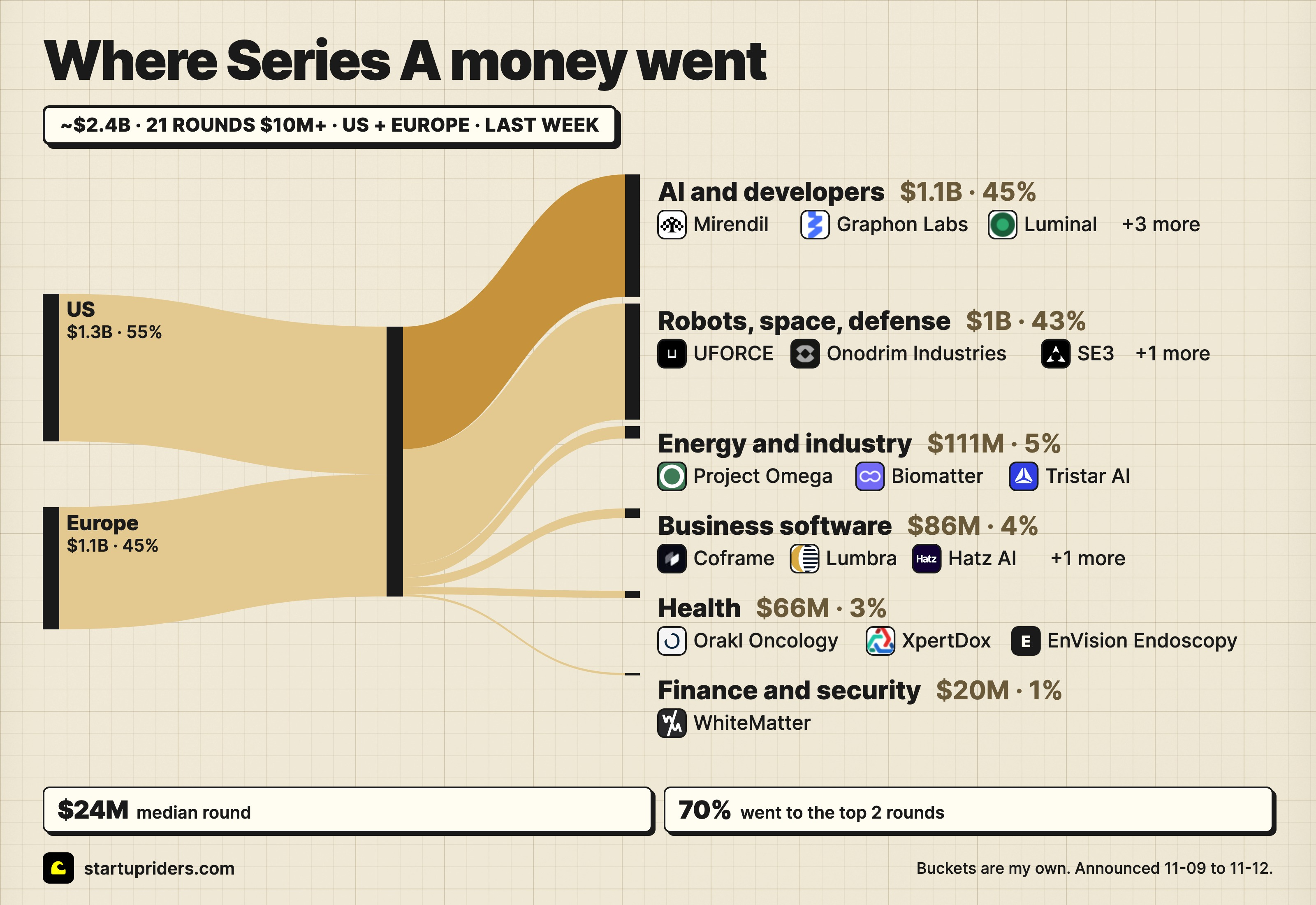
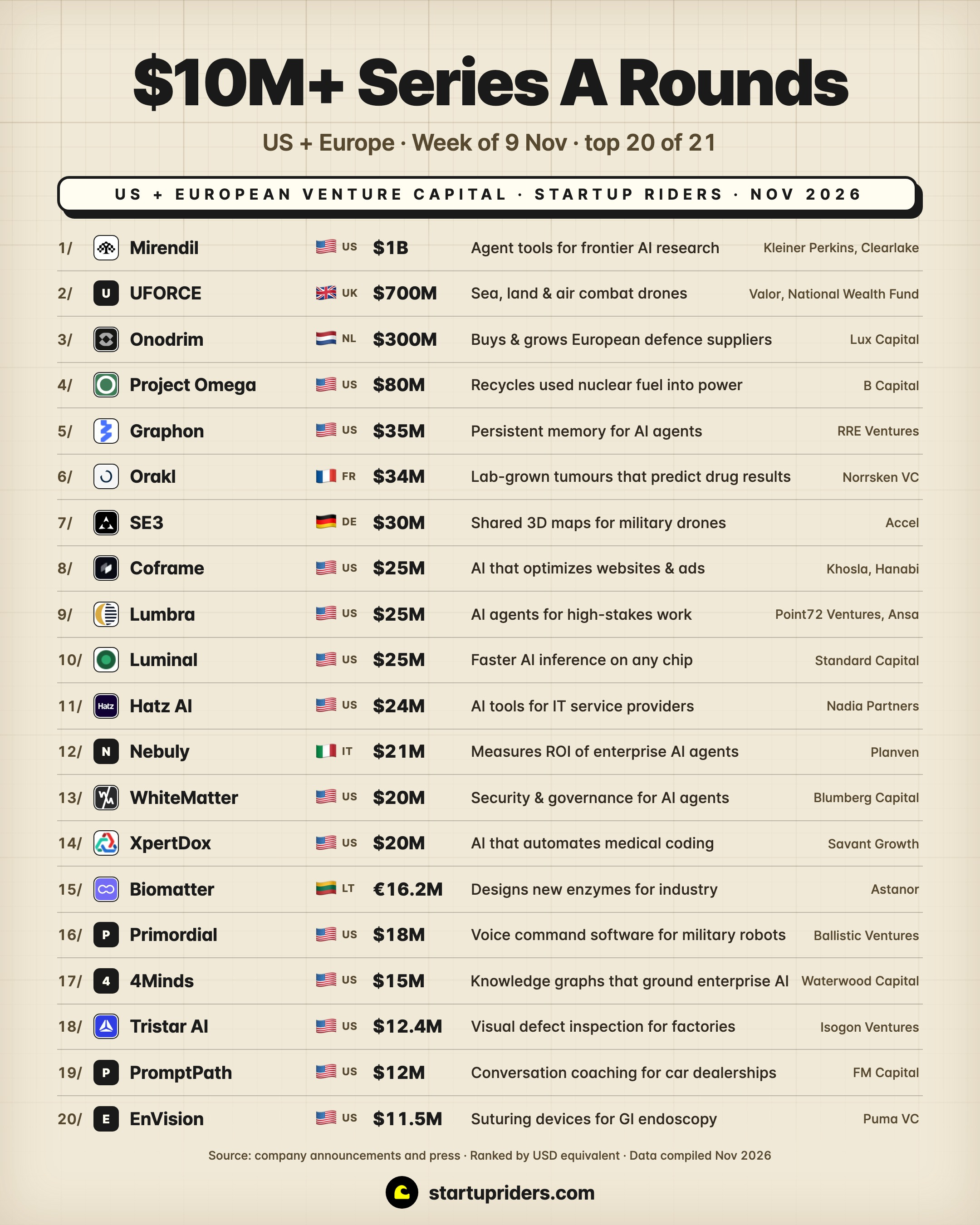
1. 💰 Where the money went
Series A · US + Europe
🚀 Building something? I invest €100K-3M at pre-seed and seed through JME. Reply to this email with your deck.
2. 📈 How they grew
Hello there!
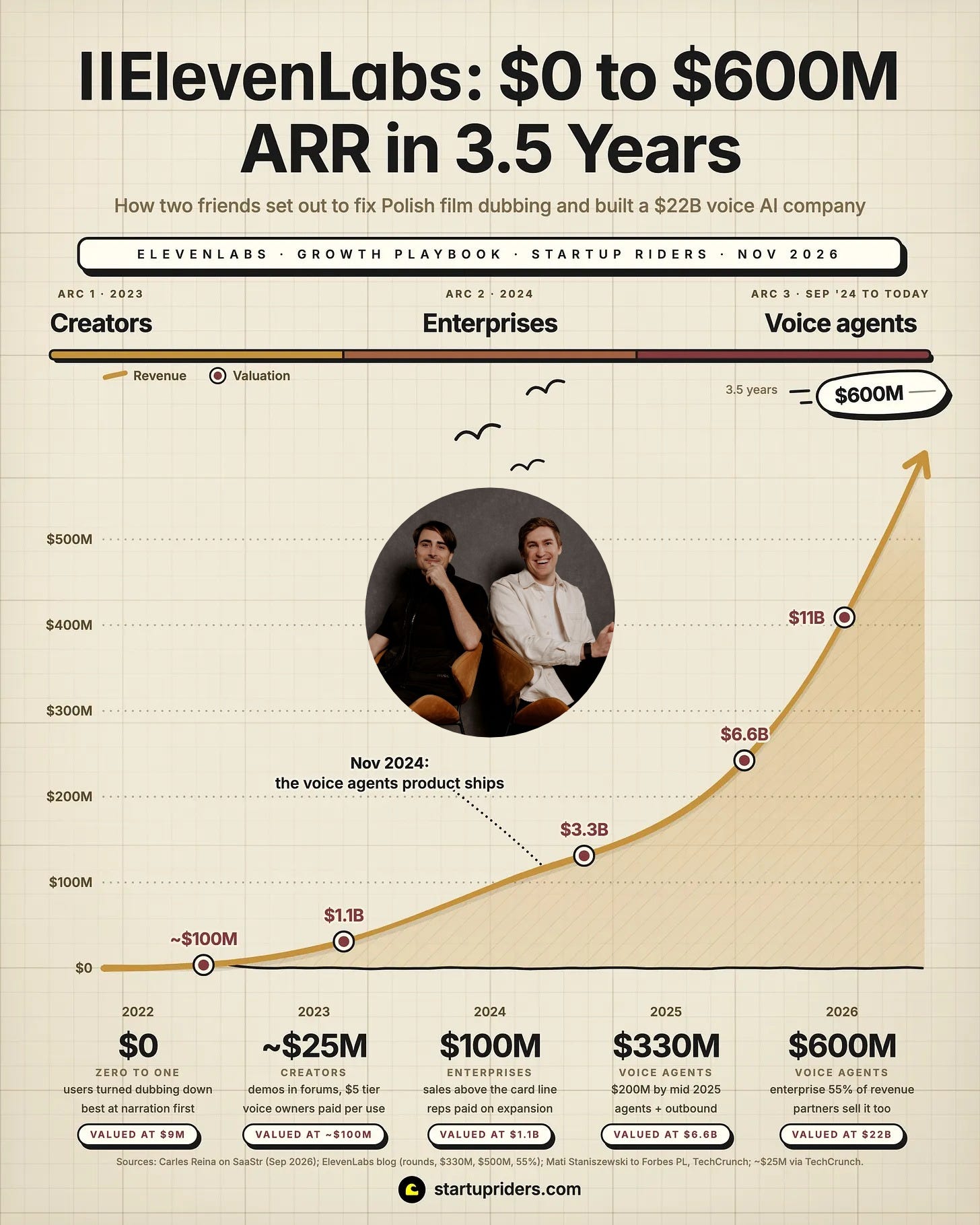
This week I’m diving into 🎙️ ElevenLabs, a voice AI company 2 Poles started (you've probably heard it narrating a YouTube video) which is now at around $600M in ARR (afaik) and valued at $22B.
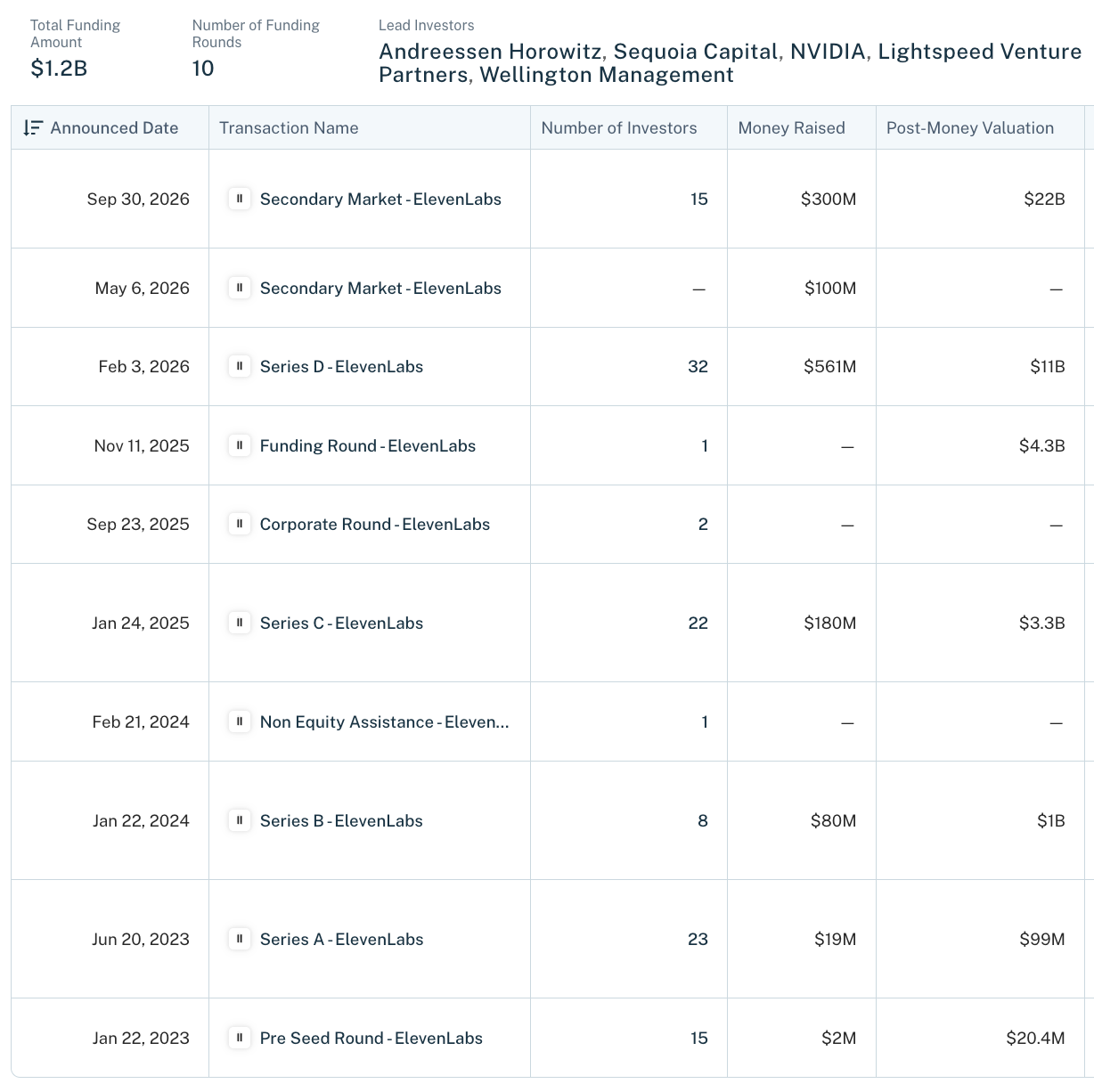
In a nutshell:
Product: it makes computer voices that sound like real people. Creators use it to narrate videos and audiobooks or dub them into 70+ languages and companies use it to build voice agents for example AI that picks up the phone and talks to customers (now handles 15M+ conversations a week!).
Money: big companies pay on yearly contracts. Small businesses, developers and creators pay by card on monthly plans from $6, or per character or per minute when they build the voices into their own apps.
Driver: "From the company lens, when we started, that was the whole goal of, can we combine research + product deployment under one hood?" (Mati, CEO, on David Senra’s pod)
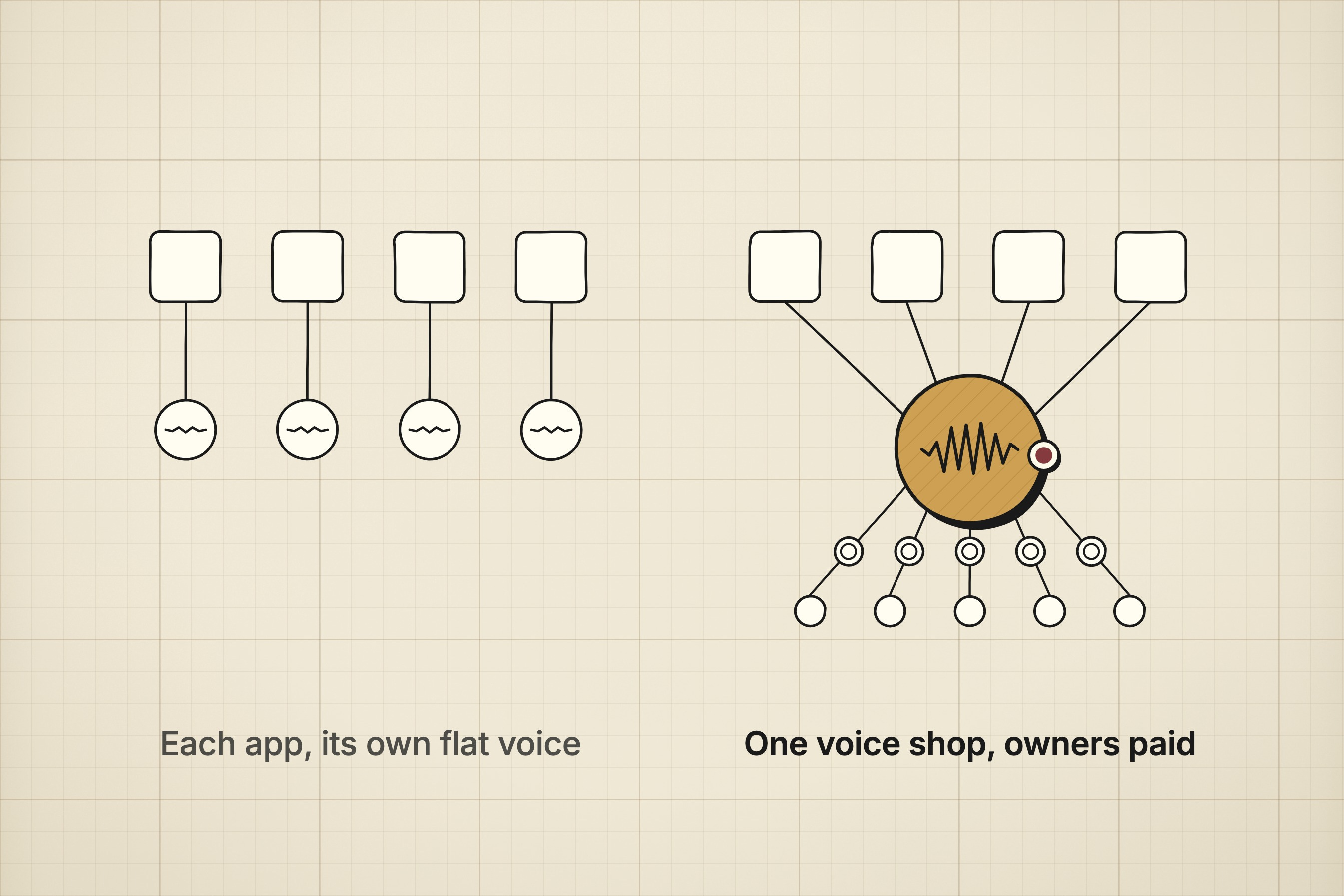
Strategy: this is a picks and shovels + marketplace play. They sell what's probably the most human-sounding voice to every app in the voice-agent gold rush (even the ones competing with their own agents), and voice owners get paid when someone uses theirs:
📐 Quick note on editorial + methodology: this analysis focuses on the 80/20 mechanics that explain their growth (not a comprehensive profile, not an endorsement or investment advice). I use AI like a fund leverages an analyst for groundwork, the direction + judgement are mine. Company-reported figures are marked, treat estimates as directional.
Zero to one
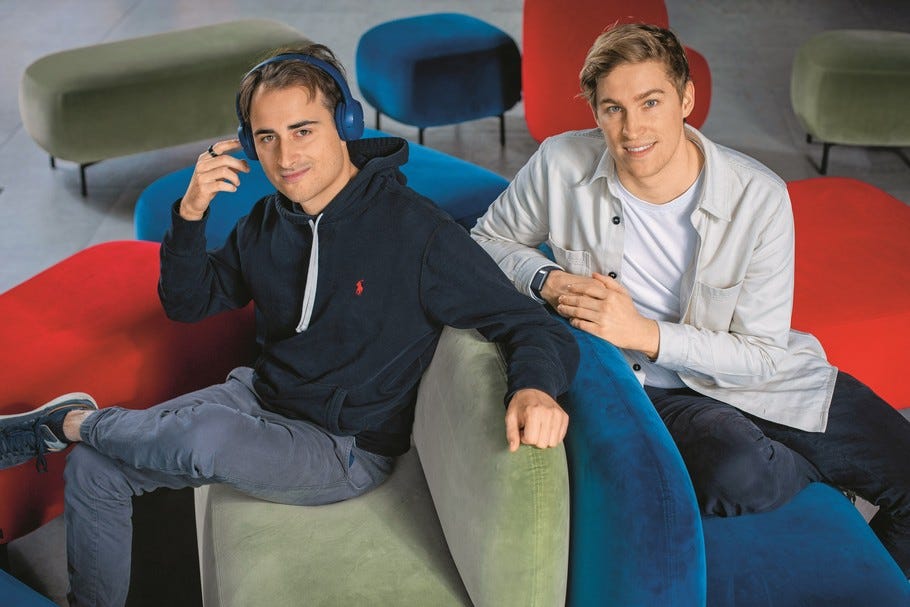
Who: 2 best friends who met at 15 at a Warsaw high school.
Mati Staniszewski (CEO): maths at Imperial, then Palantir, where he embedded with big companies and governments to get new tech deployed (aka the commercial half).
Piotr Dabkowski (CTO, now leads research): ~10 years of AI research across Oxford, Cambridge (a NeurIPS paper) and Google.
Where they started: many weekend hack projects together (something in recommendations, a crypto risk analyser that "didn't work very well"), until one in early 2021 that gave you tips on how you speak hooked them on audio. Mati's read was that AI text and video were already pretty far along while voice was still very early and he only believed they could fix dubbing once Piotr showed him which research pieces already existed. They registered the company in Jan-22, turned down an offer from a US accelerator and paid for GPUs + the first hires out of their own savings from Google + Palantir.
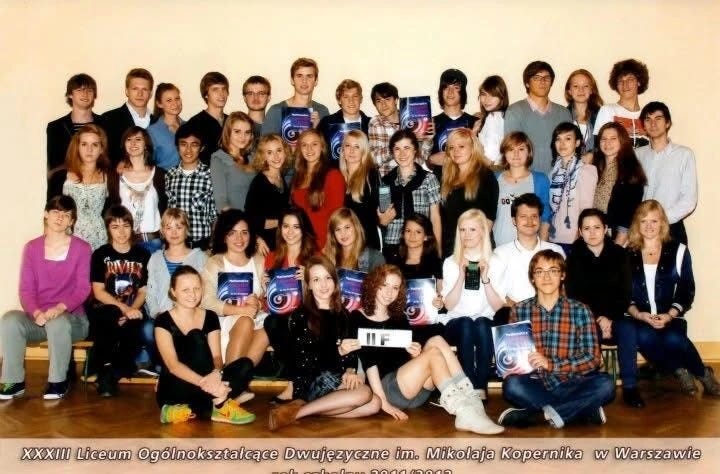
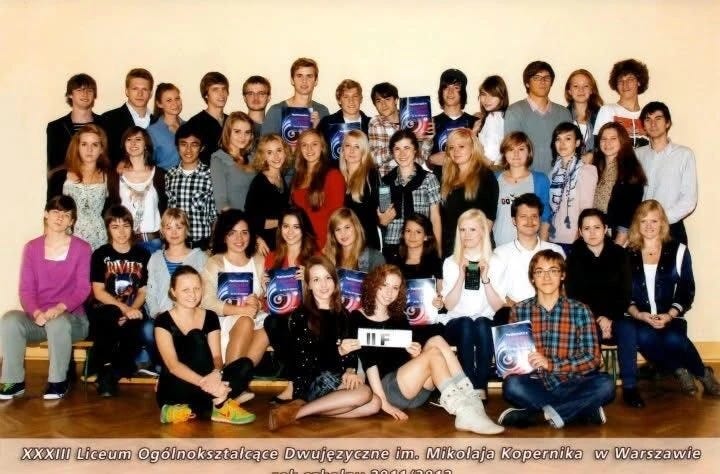
Mati and Piotr's high school class, Warsaw, 2011 source Market wedge: in Poland foreign films mostly don't get dubbed but rather get a “lektor” which is a deep monotone male voice reading every character flat on purpose so the “audience brings the emotion themselves” 😅. Big tech's AI voices were still pretty bad but transformers + diffusion made it so that voices with real emotion were now possible.
The MVP: only the voice their own text-to-speech model that reads the context first (is it dialogue? is it happy?) and then picks the tone (i.e. like a voice actor would). A research team of 3 trained it from scratch on 500K+ hours of audio, incl. free audiobooks and EU Parliament speeches. A small team could technically pull this off because voice models need a lot less compute than the chatbot ones.
The pre-seed was "tough", 30 to 50 investors said no (can you even fix the research? isn't the market tiny? won't big tech just do it?) until Credo (a Czech VC) led a $2M round at a $9M valuation in mid 2022.
First users: a demo of Leo DiCaprio's UN climate speech switching between the voices of Joe Rogan, Steve Jobs etc put a few thousand people on a waitlist in autumn 2022. ~100 invited testers got in first and interestingly one audiobook author pasted his whole book into a tweet-length box ~500 times, stitched the clips together and published it. He then came back asking to bring his author friends! Pretty telling sign of early product-market fit, they knew they were "on to something" and the public beta opened in Jan 2023.
How they built the Go-To-Market team
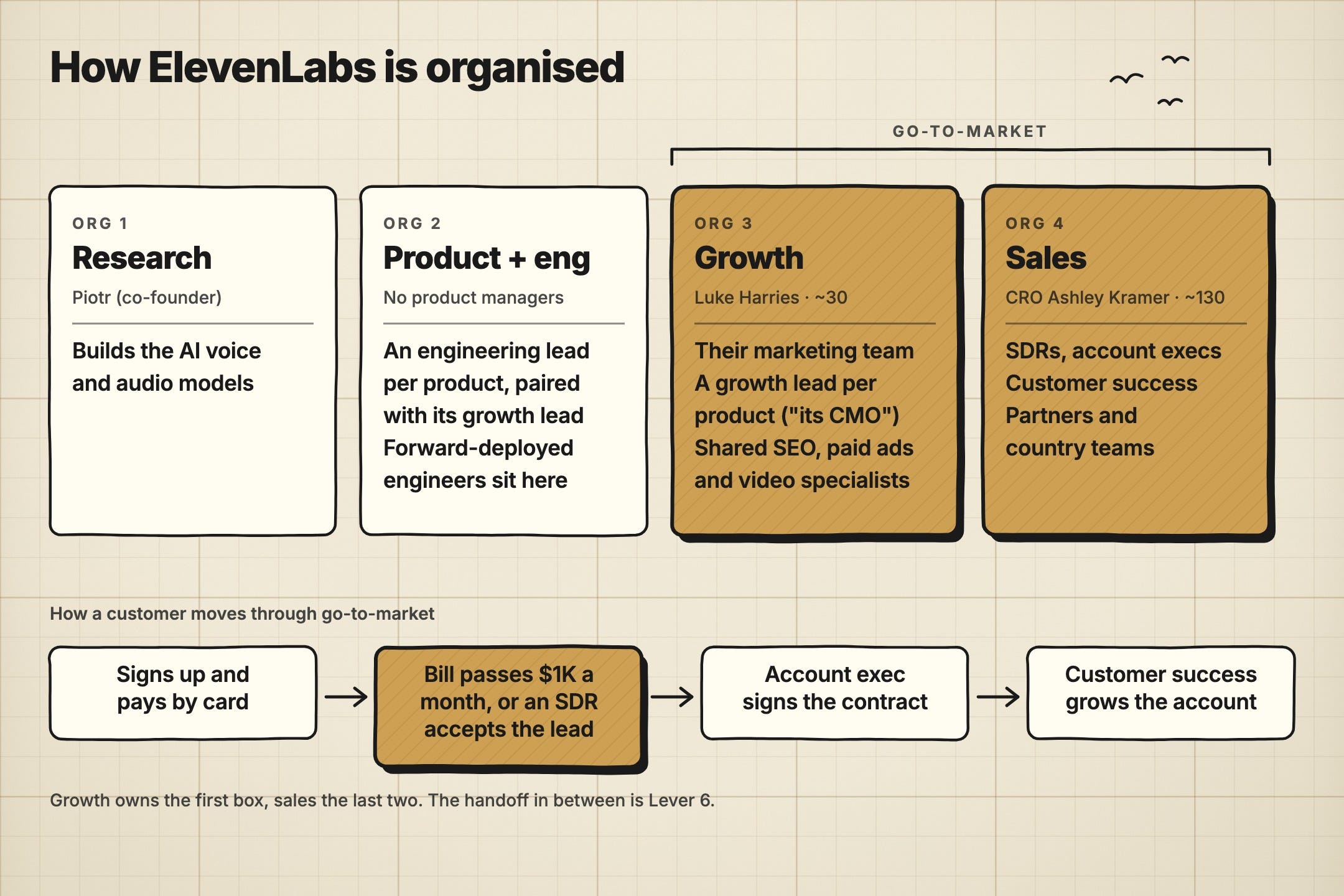
The company runs as 4 orgs (research, product + engineering, growth and sales), and on the go-to-market side that’s basically 2 teams, growth, which owns everyone paying by card and feeds leads to sales, and sales, which for most of 2023 was 1 guy.
Here’s a visual of how (afaik) they rolled out GTM:
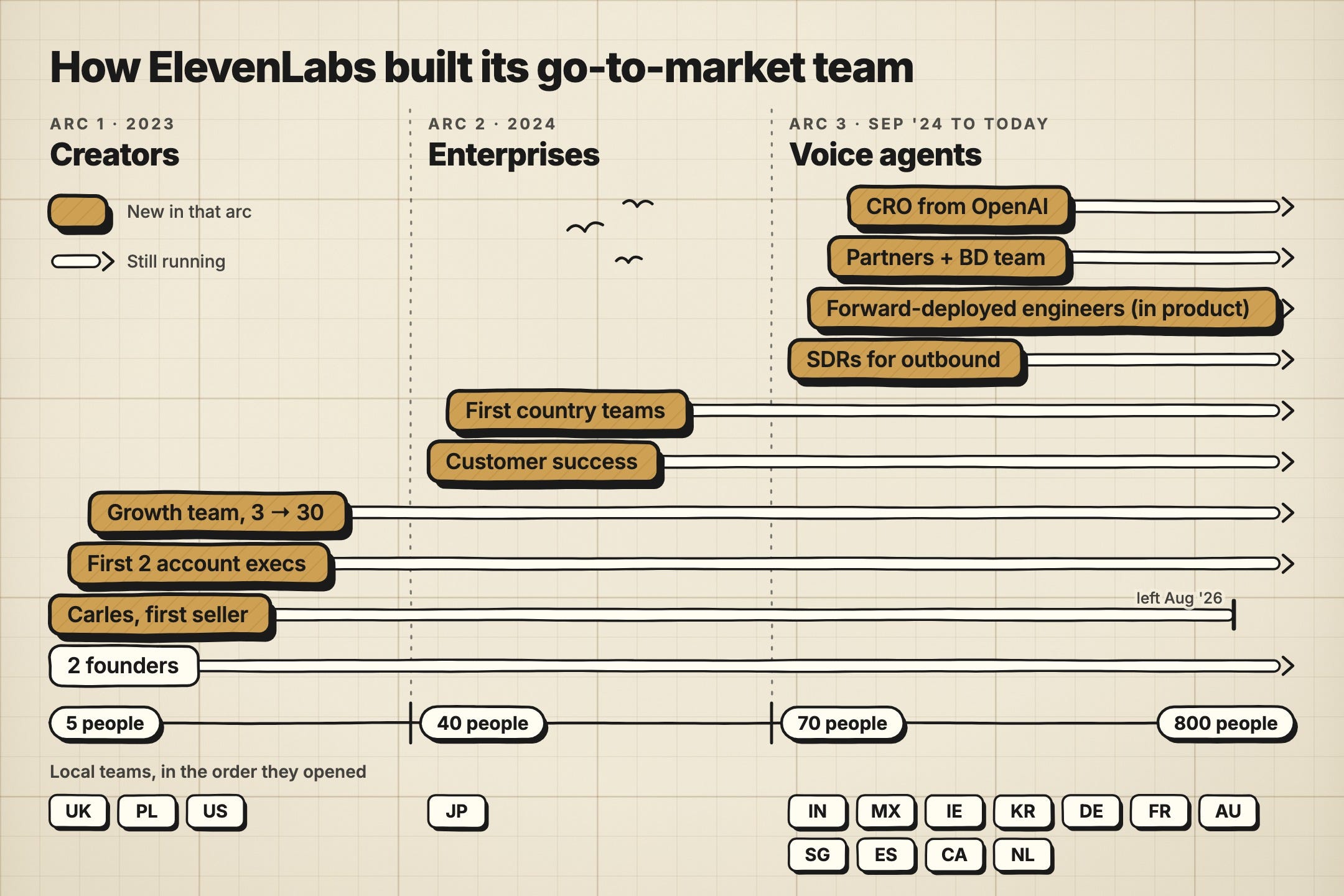
Carles Reina was the first Sales person (+ first angel, then employee #4), who joined a few days after the January 2023 beta and was the only salesperson for 9 months. Mati sold next to him until one day he told Carles that on go-to-market, “from now on... I report to you”. The first 2 account execs started that September. After Carles left this summer, Ashley Kramer came over from running enterprise sales at OpenAI as CRO.
Luke Harries took over Growth around the end of 2023, when it was 3 people. It’s now about 30, set up as channel specialists (SEO, paid ads etc) + a growth lead inside each product team who’s basically the CMO for that product.
Customer success was built 15 months after their first contract (“way too late” according to them). Since then account execs hunt logos and hand them to CS for upsells, except on very big accounts where AEs keep expanding them too.
Countries came one at a time, each sold from HQ first (Lever 12 has how). Besides the main hubs in London, New York and Warsaw, India got local leadership at the end of 2024, Japan became their first subsidiary abroad in 2025, then Mexico got a GM and Korea a country lead. By mid 2026 Carles had teams in 25+ countries.
SDRs only became a real team in 2025 when Jonathan Chemouny (ex-Intercom) came in and took over 2 SDRs in Europe who were too busy with inbound to do any outbound. By autumn go-to-market alone was about 70 people out of 330.
Forward-deployed engineers (engineers who sit with a customer until its voice agent works) sit in the product team, each custom build goes back into the roadmap (more on this later in Lever 15). Alex Holt, who joined when they were fewer than 10 people, became Field CTO after scaling the forward-deployed engineers.
How the growth team is built:
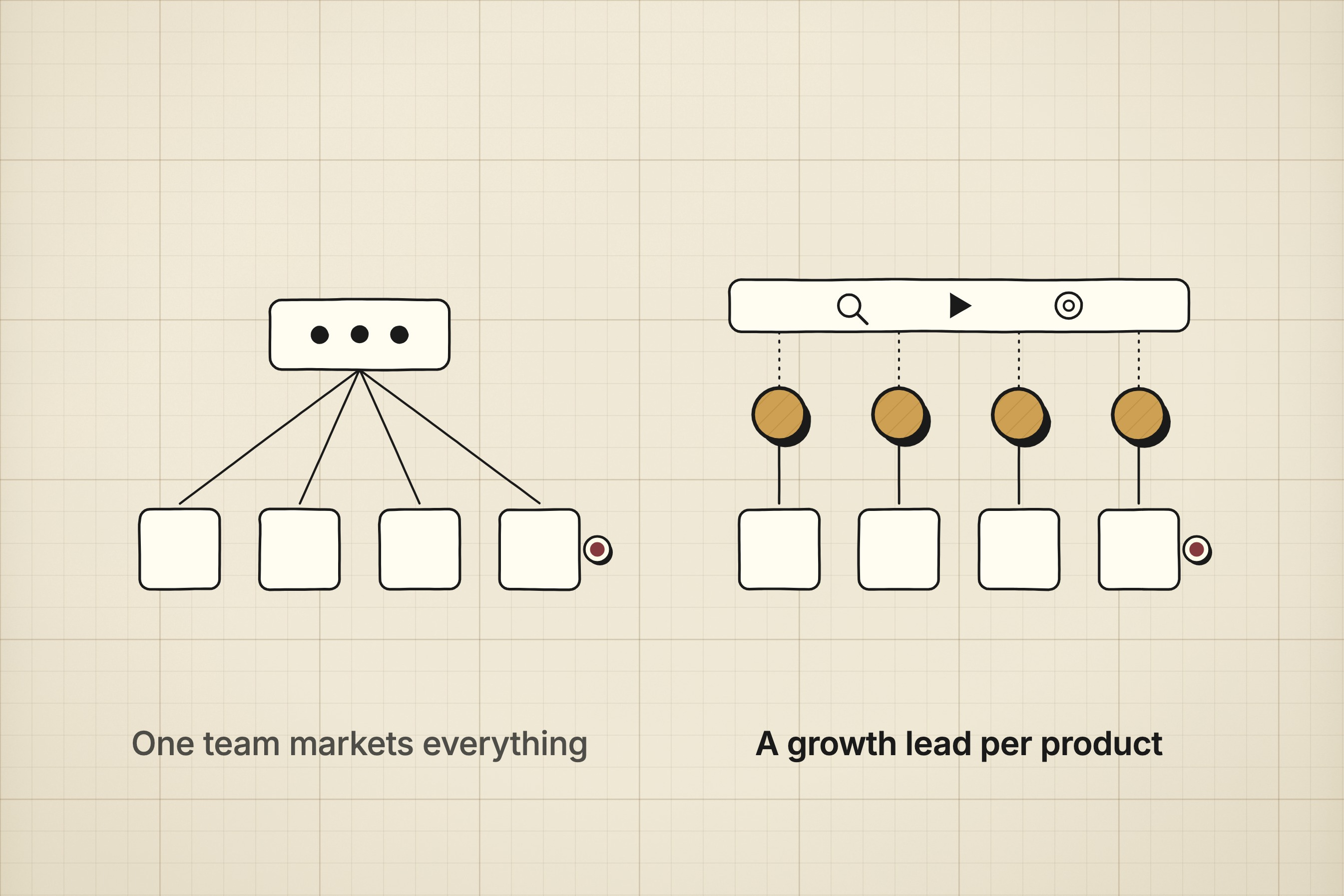
A growth lead per product: each product (the consumer app, the creator tools, the developer API, enterprise) has a growth lead who is “basically CMO for their product”, who owns its numbers and has a small team of their own.
Specialists shared across everything: examples are a head of performance marketing who used to run it at Shopify, an SEO expert who did it at Canva, and motion designers for the launch videos.
Who and in what order should founders hire (Luke’s advice on 20vc, well worth a listen btw): first one should likely be a generalist growth marketer who owns everything from positioning to channels, then a “hacky” growth Eng for landing pages, small free tools and automated outreach, then motion designers + back-end growth engineers.
Now lets get into their 0 to 1 + 16 growth mechanics I found most interesting 👇
Lever 1: Cold-emailed creators + launched only what they asked for
"Okay, before we can solve dubbing, let's solve the research component to generate speech and make it sound great." (Mati, David Senra)
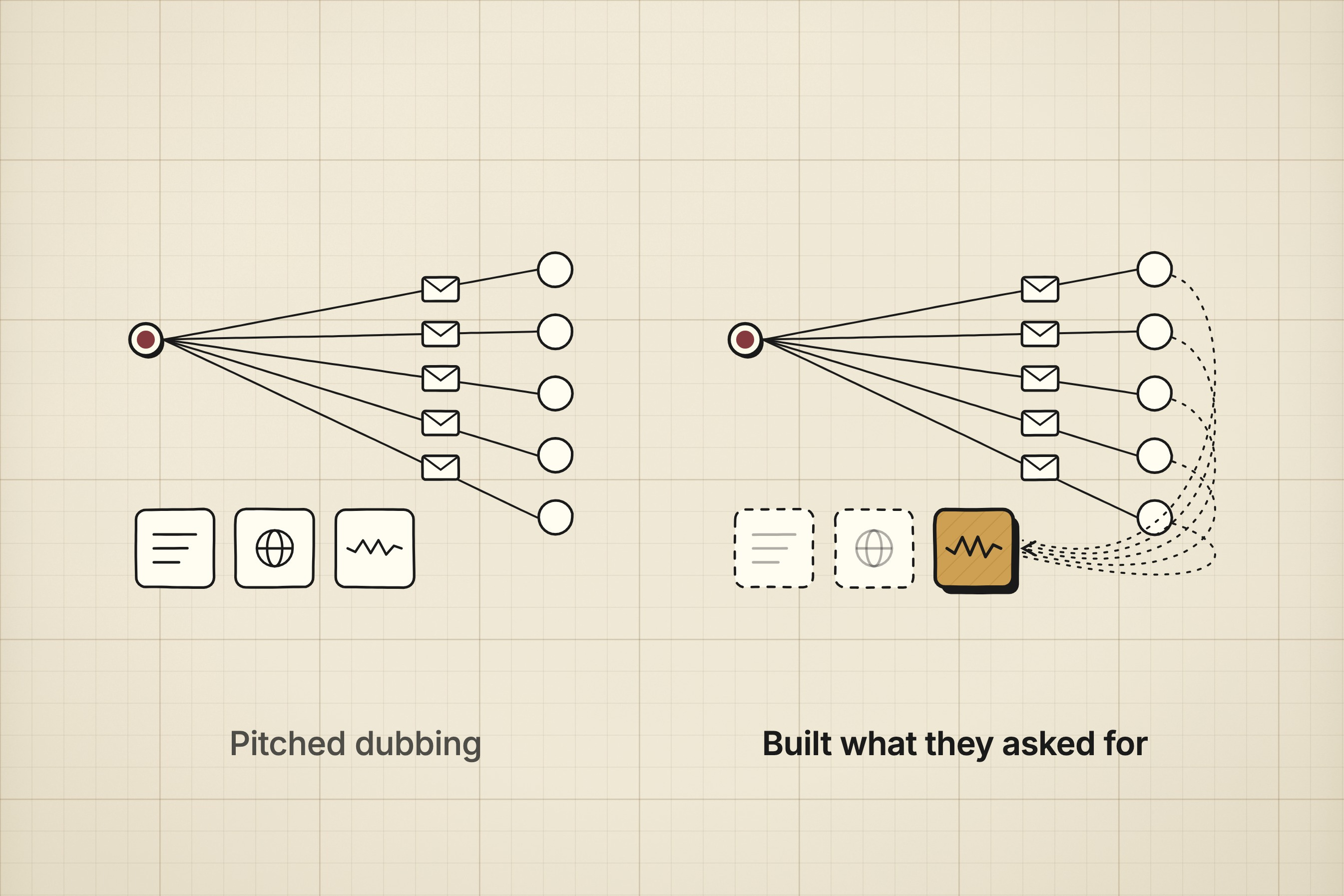
What happened: before building anything they scraped the emails of thousands of YouTubers and cold-emailed them asking 1 question, “would you want your videos dubbed into other languages?”. Apparently a lot replied but nobody needed dubbing that badly. But what creators did ask for was a simpler thing, a voice that could read their script out loud or redo a line they'd said wrong. So they parked dubbing for the time being and built only the voice, which they launched Jan 2023 (beta).
The details:
About 15% replied to the first personalised emails but nobody had dubbing as "a burning problem".
Dubbing takes 3 steps (write down what was said, translate it, voice it again). Tools for each step already existed, and stitched together they came out "okay".
Dubbing didn't go away though and it shipped that autumn but only once the voice already had users.
So what: their first move was talking to buyers before building. They launched the thing people wanted (not as obvious as you might think), which was also the thing they could do better than anyone (research + product), left the big plan for later.
Arc 1: Creators
At launch they were 5 people (most of them researchers) and the buyers were creators paying by card, people doing social media, audiobooks and newsletters, and the plan was to do $1M ARR for 2023 (which they hit in the first few months!).
Then it went viral, with all the trouble that comes with it.
I picked the growth 4 levers below because they’re the ones the team keeps coming back to when they talk about 2023. I left out dubbing which shipped that autumn but isn’t what grew them. They closed the year at ~$25M ARR:
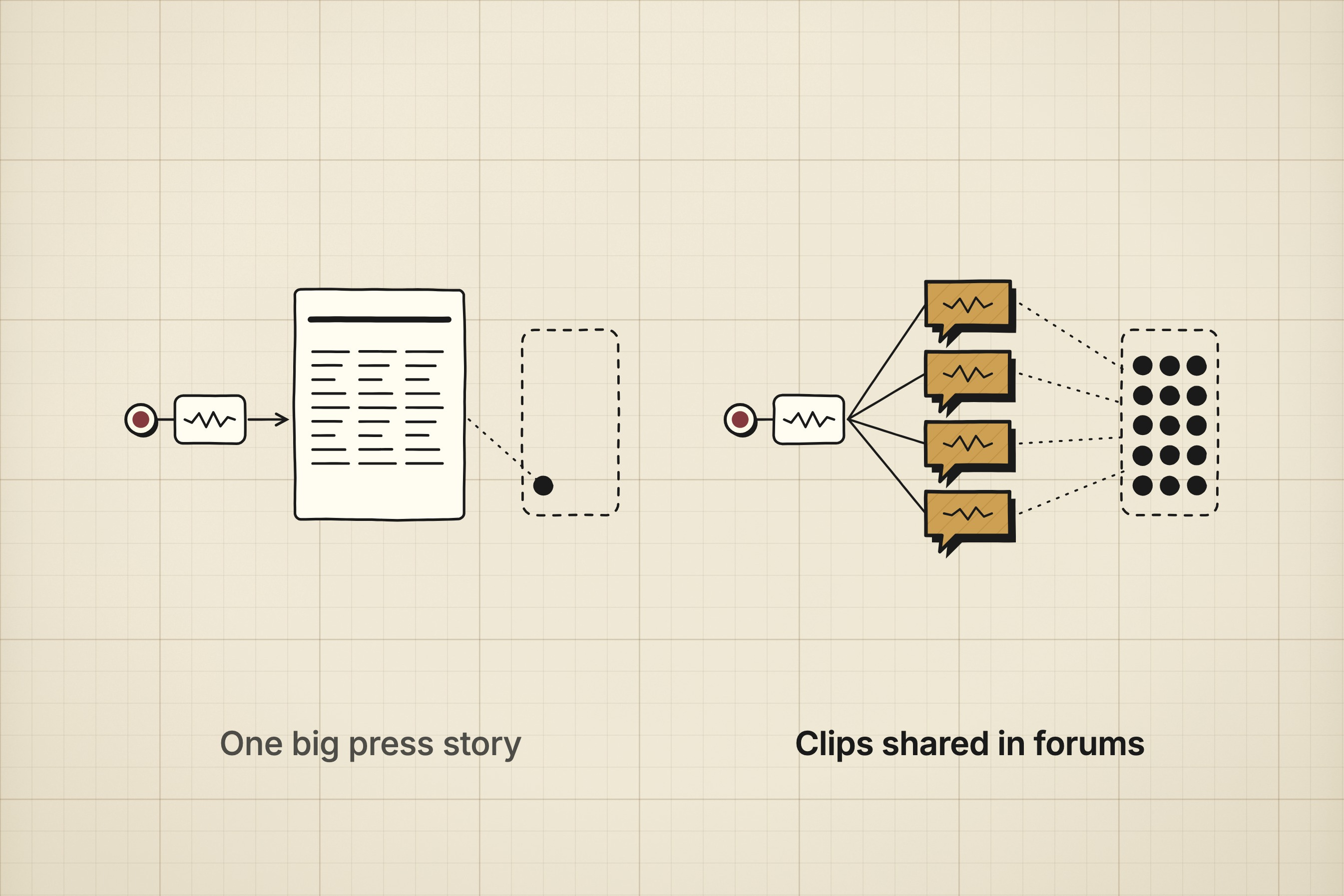
Lever 2: Launched with demo clips shared where users already talked
"What actually worked was working with the newsletters that were talking about AI, working with our friends from YouTube community that then posted on Discord that we are opening this up." (Mati, 20VC)