👋 I'm Ivan. I study how top 1% startups grow.
Hello there friends,
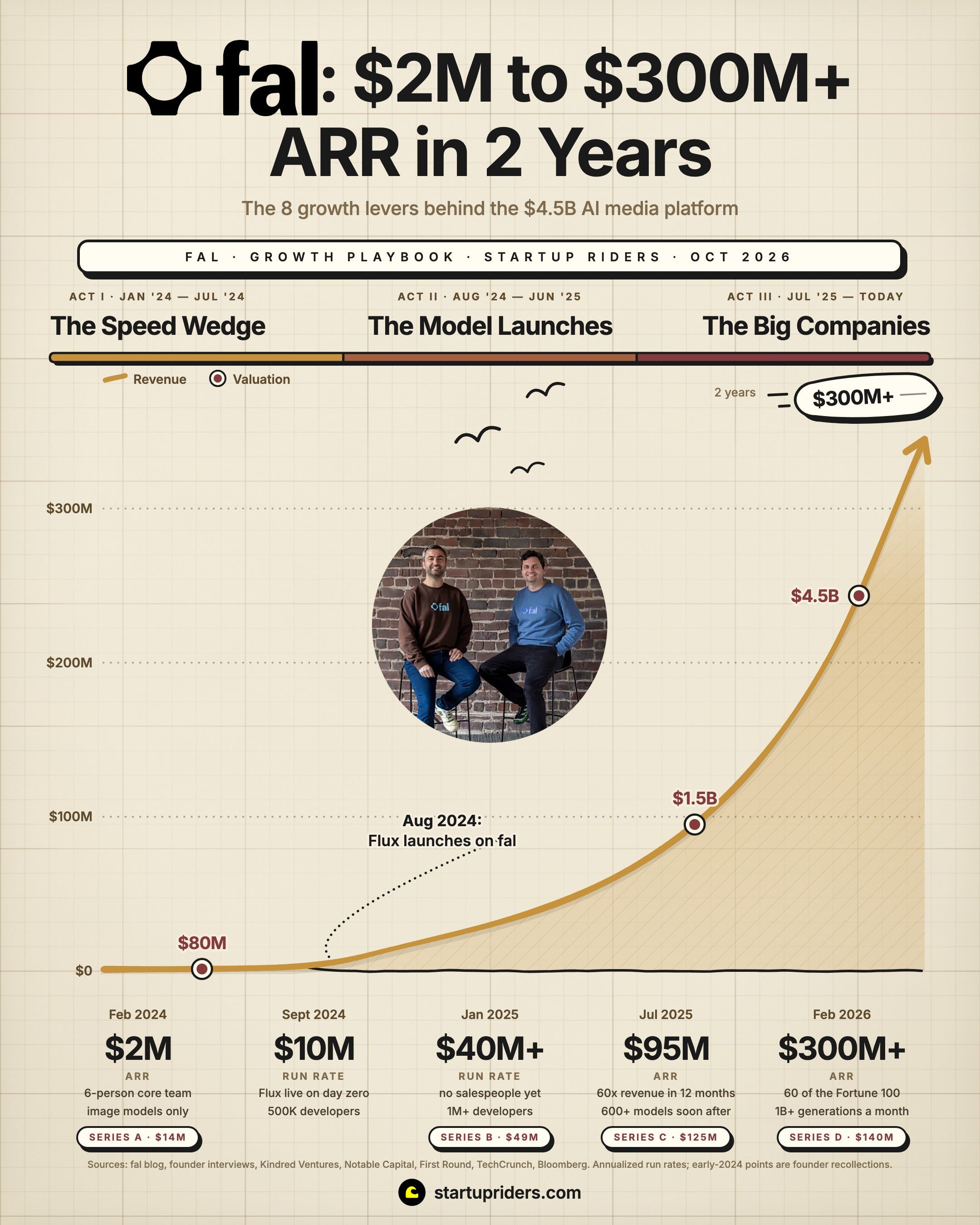
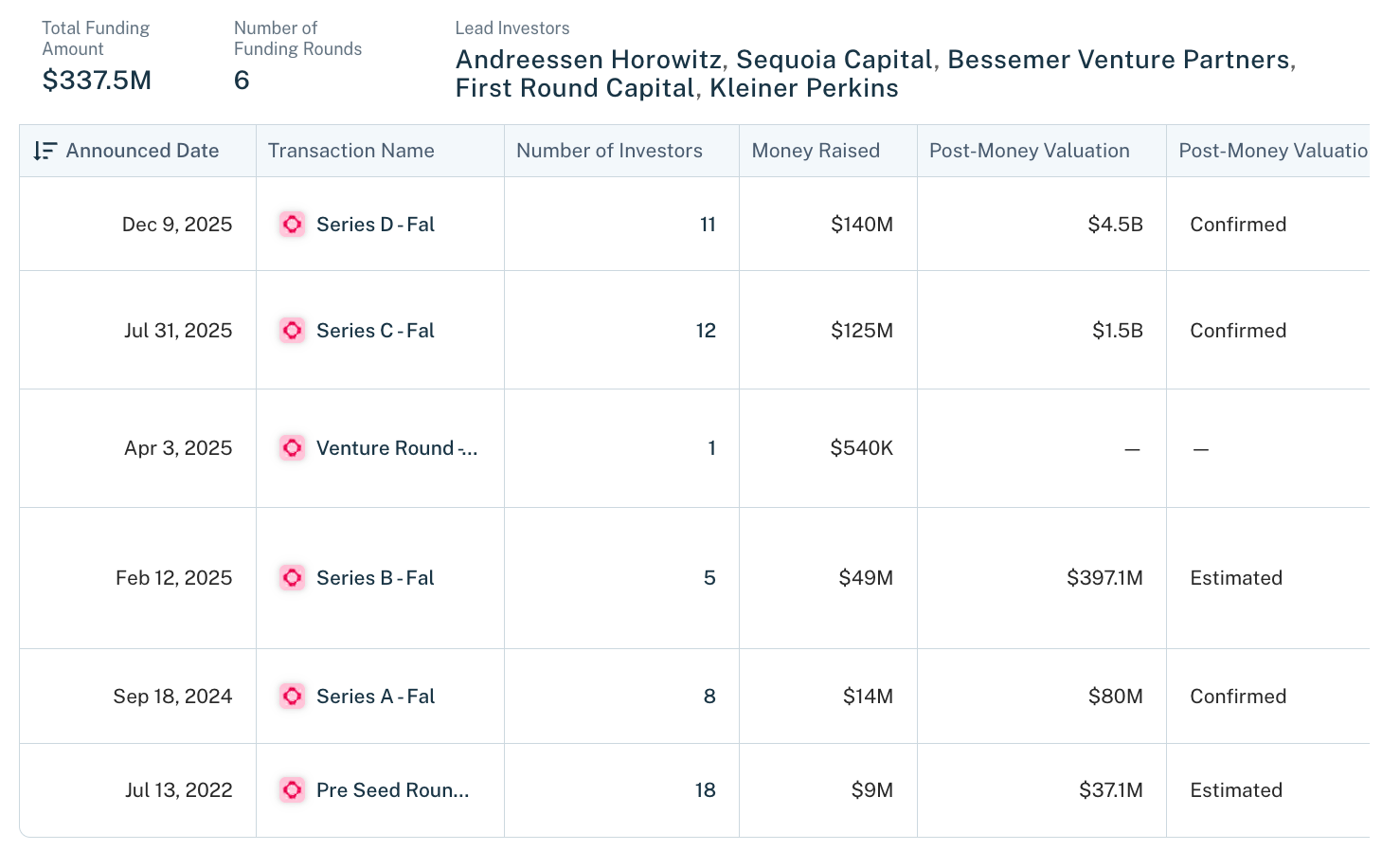
I’ve been studying how fal.ai grew from $2M → $300M in annualised revenue in 2 years (c.5 years after its founding):
In a nutshell:
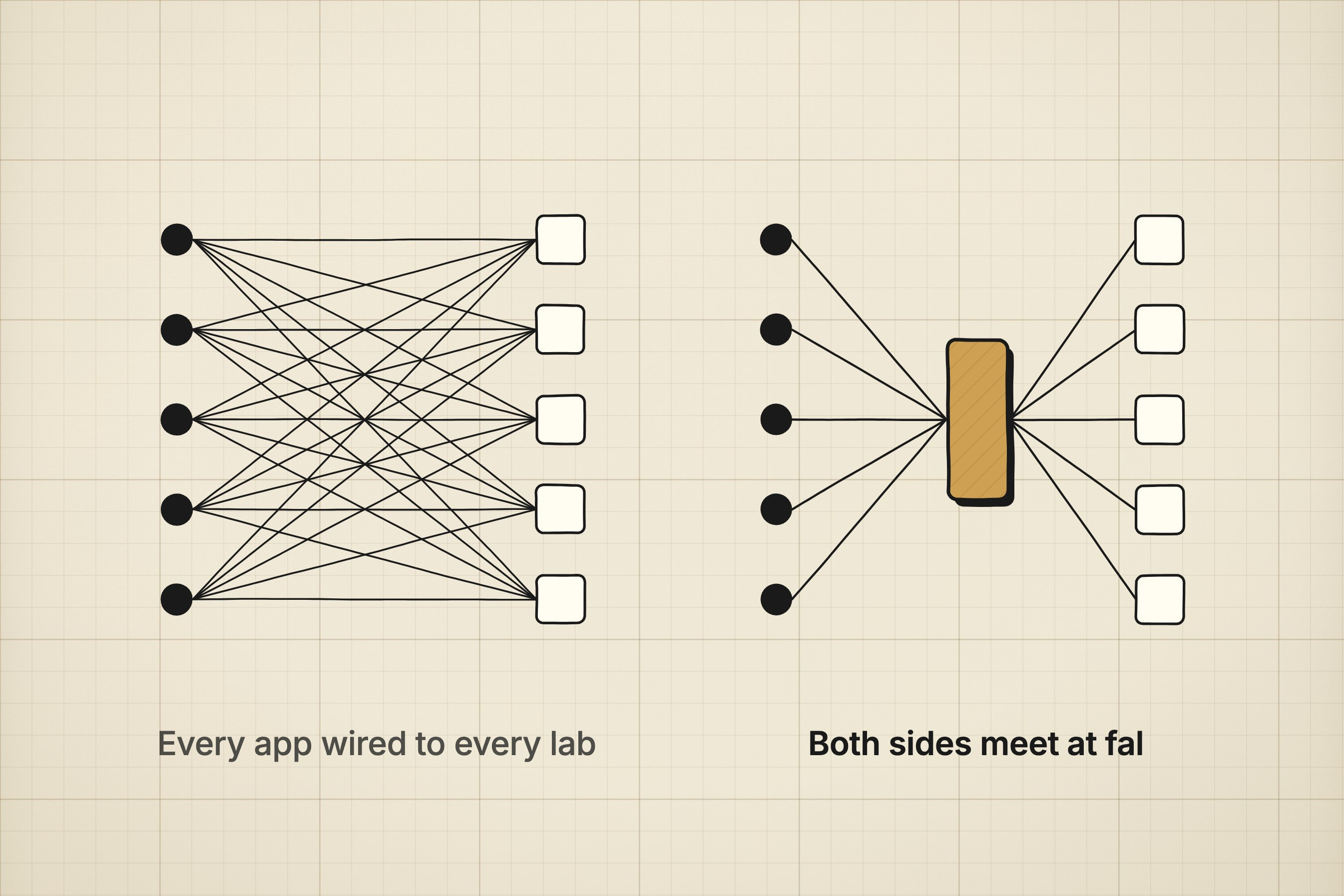
Product: apps like Canva use fal to add AI images, video and audio, with one connection to thousands of AI models. It runs the free (open) models on its own computers and resells the big labs’ paid ones (as a distribution partner). Apparently 3M developers have signed up and 60 of the Fortune 100 use it.
Money: pay per output (i.e. Google's Veo 3 launched on fal at $0.75 a second with audio) + yearly contracts with big companies.
Strategy: they’re running an aggregator play, they’re the middleman both sides need (i.e. Booking.com for hotels) where apps get AI models through them, the labs get developers through fal, and fal gets paid whichever model wins.
8 growth mechanics I found in this drop:
Known for 1 measurable thing
An overlooked niche with a name
Using other companies' launches as marketing
Having every model in one place (even closed ones)
Moved into the kind of job that pays far more each time (video)
One legal review for every model
Big spenders turned into contracts
Faster versions of the labs' models
📐 Quick note on editorial + methodology: this drop focuses on the 80/20 mechanics that explain their growth (it's not a comprehensive profile, not an endorsement or investment advice). I use AI like a fund leverages an analyst for groundwork, the direction + judgement are mine. Company-reported figures are marked as such, treat directional estimates as directional. Dots only connect looking back (hi, survivorship bias), still gold in how they did it.
Help me make Startup Riders better 🙏
A quick survey, it’ll shape what I build next.
Or reply to this email, I’d love to hear from you!
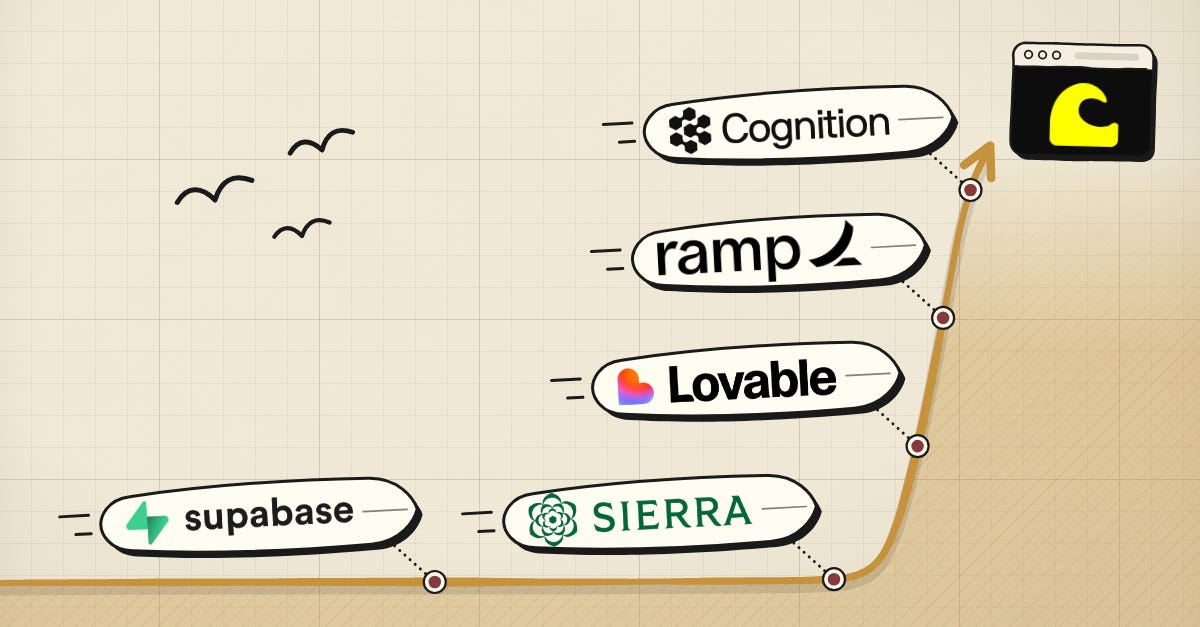
Zero To One
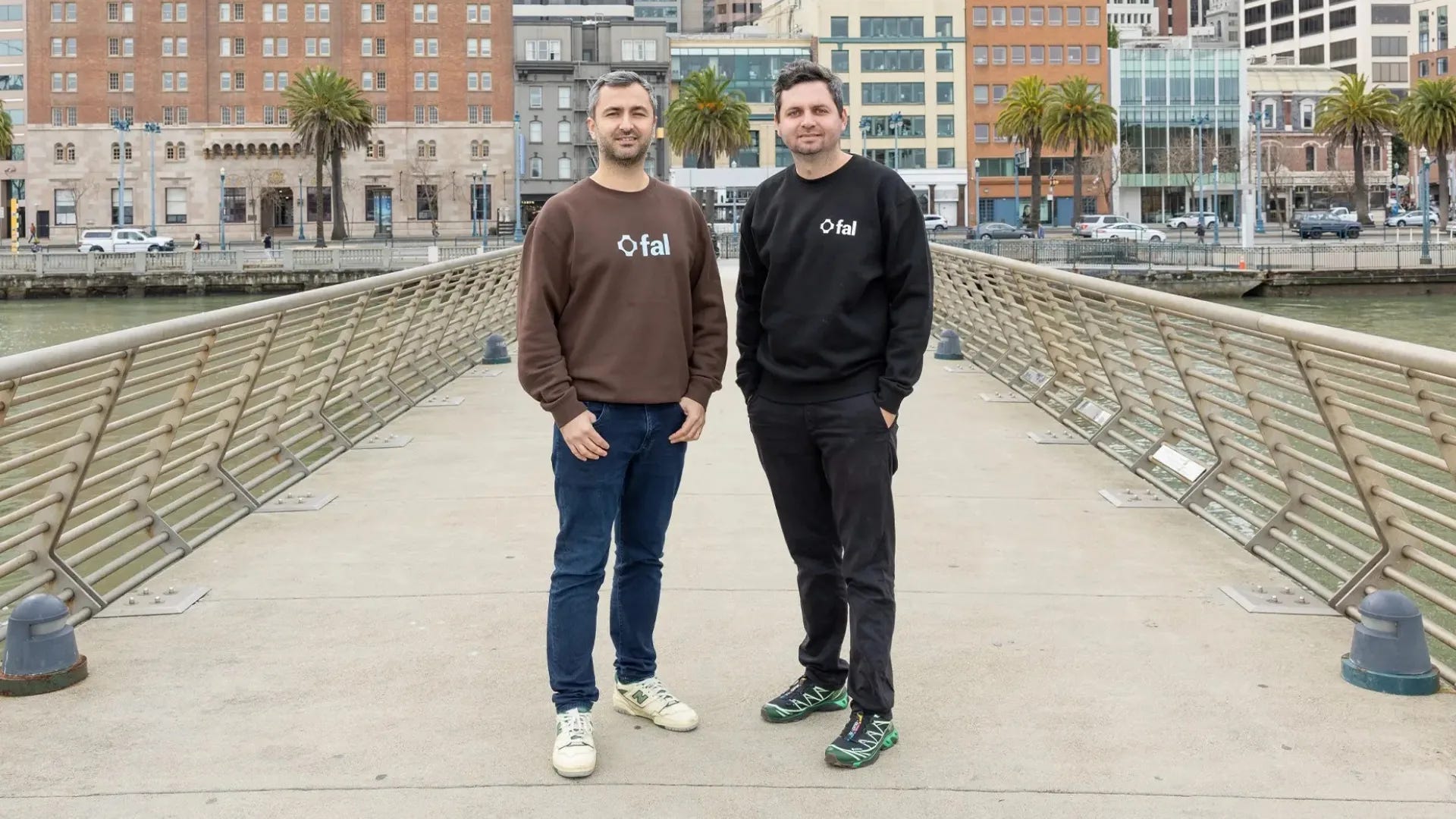
Who: 2 engineers from 🇹🇷 who met in SF in 2014 and then started talking about building something together while sharing a house during COVID:
Burkay Gur (CEO): MIT, Oracle, then one of the first ML hires at Coinbase
Gorkem Yurtseven (CTO): Penn, 5+ years at Amazon working on SageMaker (AWS's machine learning platform) + dev tools.
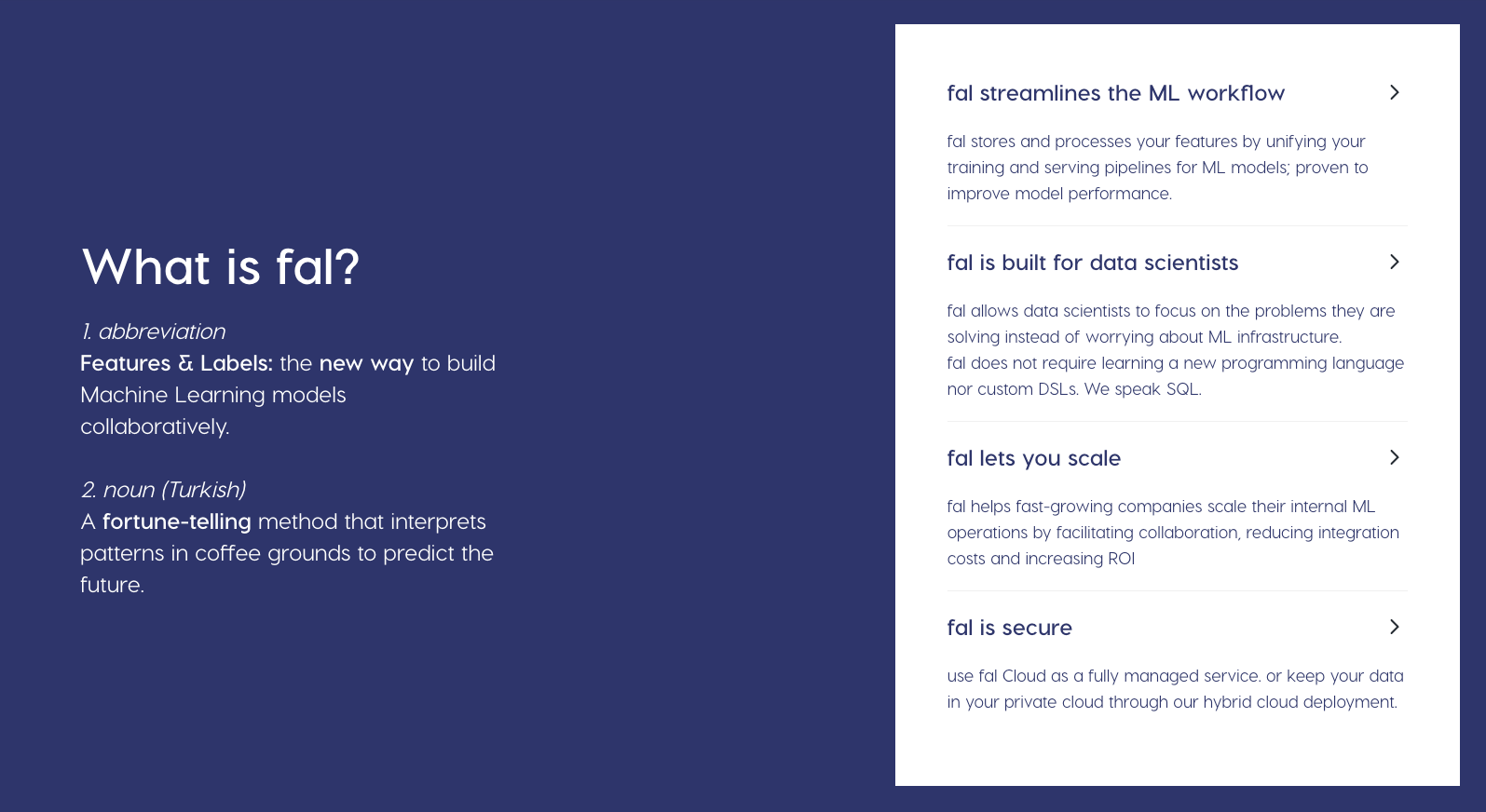
Where they started: little known fact Fal actually stands for "Features And Labels" and the first website pitched "ML data pipelines as a service". Before the pivot they had paying customers and a 2022 seed round led by a16z.
Market wedge: image makers (DALL-E 2, stable Diffusion) came out in 2022 so companies could pick a ready-made model instead of training their own. Small startups (i.e. stock-photo replacements, AI art apps, face filters etc) wanted to run image models and those models were really slow + inefficient.
MVP: their first customer for image models ran Stable Diffusion on fal's servers and its usage 2x’d every day for about 10 days. They ran both products (data pipelines + image models) side by side for 2-3 months but eventually said goodbye to the data customers and built 1 ready-to-call API per model.
First users: they were consumer AI apps + web image generators. The core team was 6 people for the first 18 months.
Growth Mechanics
Lever 1: Got known for 1 measurable thing (speed) and topped the public rankings
“You have to be known for one single thing that you are best at. For us, this was speed and inference performance. And we obsessed over getting number one spots in the public benchmarks.” (Gorkem Yurtseven, Slush)
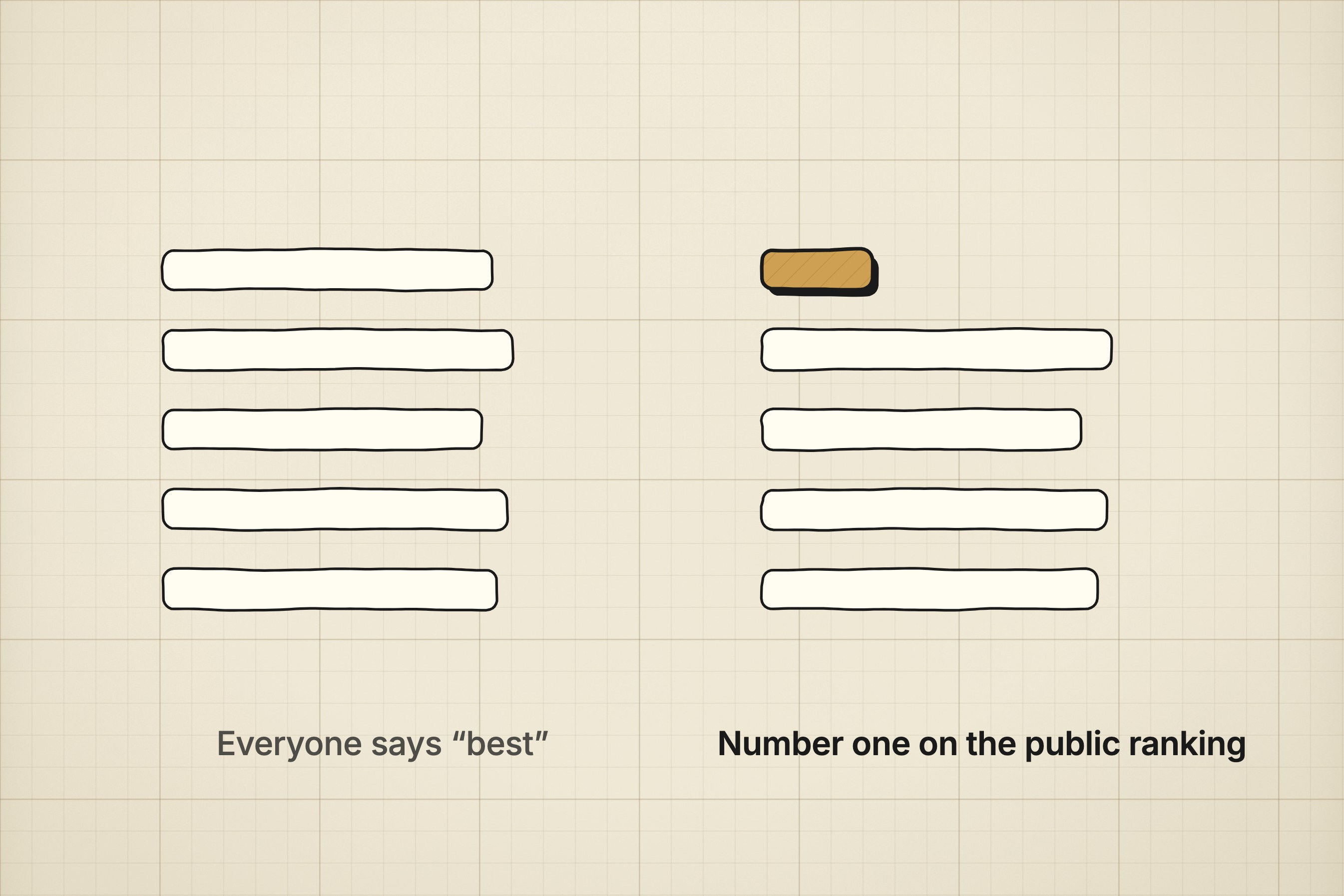
What happened: in 2023 image models were slow, fal's team chose to obsess over making them faster, rebuilding how they run on the chip and making sure the public rankings showed it (so devs comparing providers would find them).
The details:
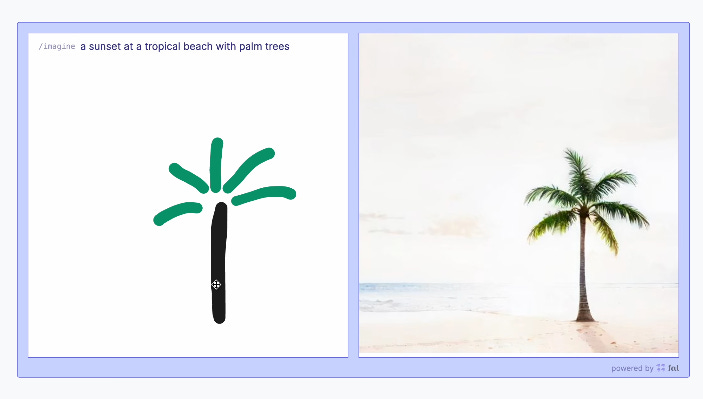
In Nov 2023 they launched a real-time image API built on a new, faster type of image model (Latent Consistency Models), at about 150 milliseconds per image vs about 10 seconds for standard Stable Diffusion, with live demos. The founder calls it their "coming out party" magic moment, you can tell the joy in his voice talking about this (which is awesome):
The engine is a compiler (software that rewrites a model's code so it runs faster on the chip) and was built by a team led by Batuhan Taskaya who started on compilers at 14 (!) and says he was the youngest core maintainer of Python at the time (one of the few people allowed to approve changes to the language).
In Sept 2024 the independent tracker Artificial Analysis had fal at 0.63 seconds vs 2.23 for Replicate on the fastest Flux model (Replicate was the biggest place to run open models back then).
So what: a public leaderboard is free word of mouth (+ right audience) and showing up high on a benchmark is one of the most effective ways to signal aura on this wave. As I understand it the point was to cash in that attention while it lasted + build the stuff in the next levers (plan was to turn a technical edge into partnerships, brand and go-to-market, more on this later).
Lever 2: Picked a market others overlooked and named it
“There was no such thing as generative media. I remember me and my co-founder in a room talking about what should we call this space, and we came up with generative media.” (Burkay Gur, Upfront Summit)
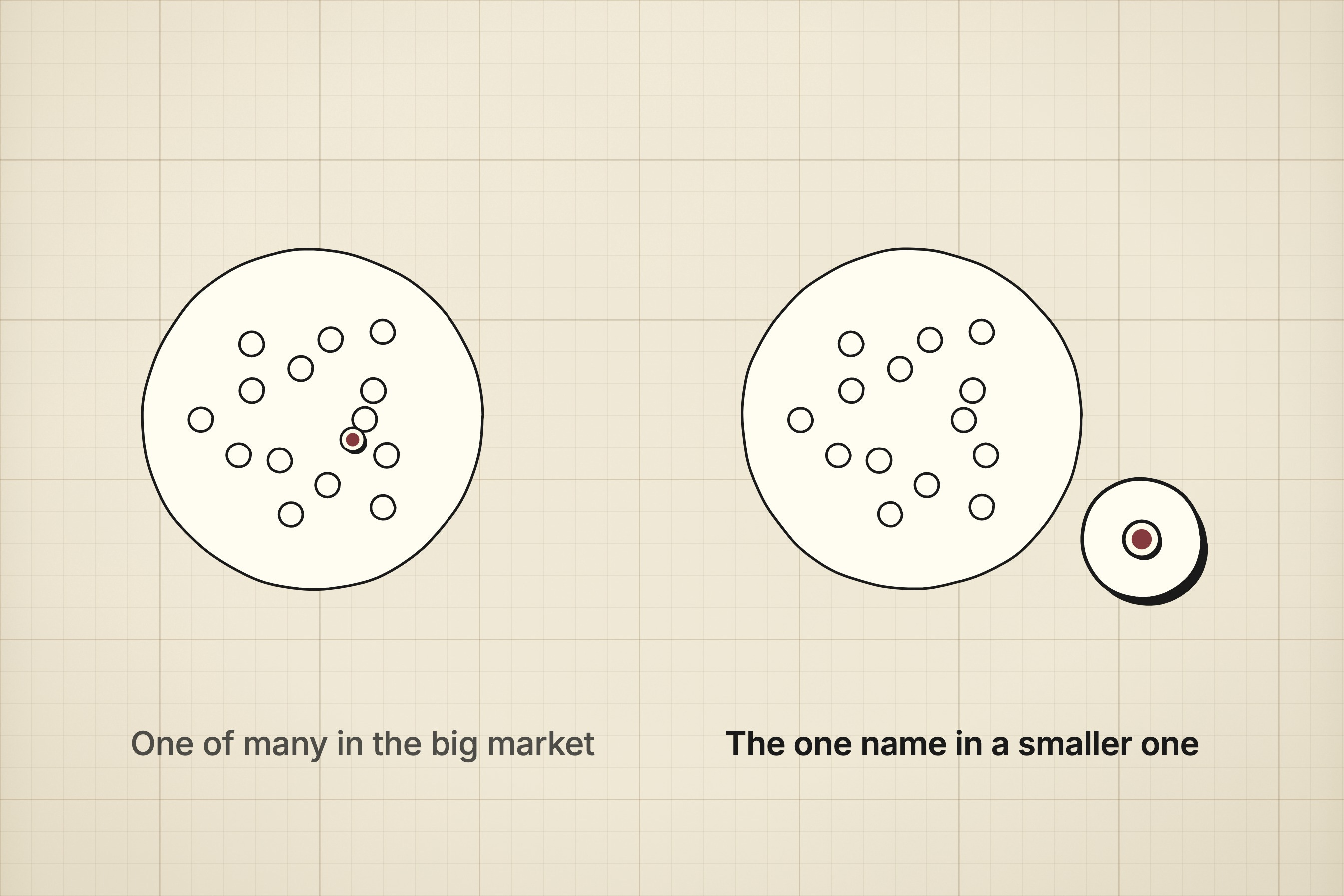
What happened: If you remember 2023, money / talent were mostly flowing to text AI (chatbots + coding) but image and video still looked like toys. While raising their Series A (early 2024) they decided to run only image, video and audio models, even though people told them text was the much bigger market. In April 2024 they changed the homepage from "AI inference faster than you can type" to "Generative media platform for developers".
I love when founders coin a term and it sticks. Demonstrating a language “of one’s own” shows up when founders who have wrestled so much with a particular problem / insights that they are able to elaborate their own “language”. It’s also often a sign of outlier talent (i.e. Peter Thiel talking about “technological stagnation”, etc).
The details:
When revenue went flat for a couple of months it was tempting for them to just add text models (like everyone else) but the founders stayed specific because “going from general to specific is harder than the reverse”.
Gorkem says nobody else calls itself a generative media inference platform (a service that runs the models for other companies' apps) and that talking about the industry is indirectly talking about fal.
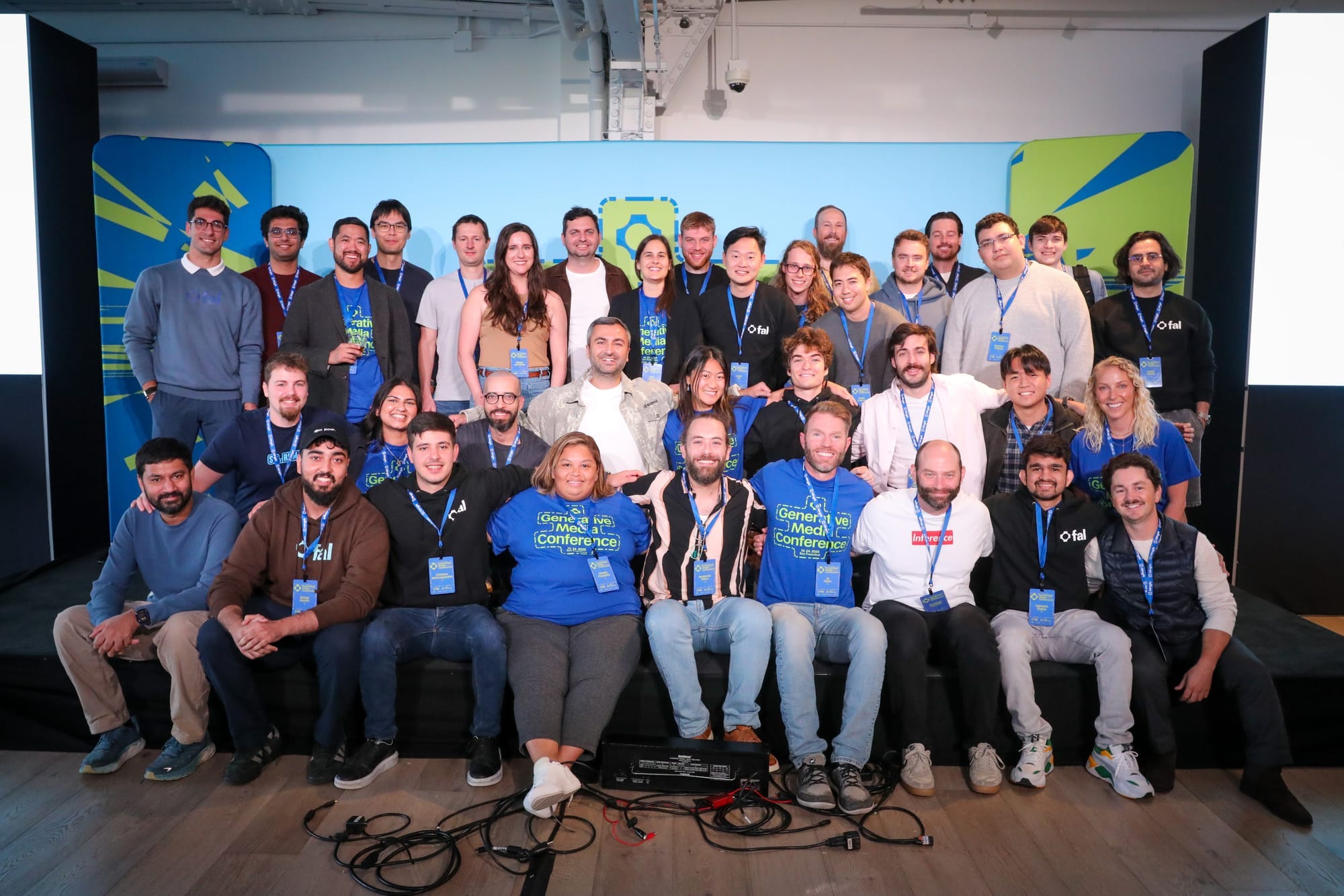
They also coined and ran the first Generative Media Conference in Oct 2025 and had 300 people + Jeffrey Katzenberg (dreamworks) on stage. The 2026 one was sponsored by Google DeepMind, Kling and xAI.
This is also pretty much the opposite call to Fireworks which grew mostly by running text models.
So what: this is category creation (on a budget) where their small team got to number 1 in their niche and named it. Which meant that when big companies started shopping for AI images and video, the company that owned the term was probably going to be one of the first calls (Gorkem says that's literally the goal).
Lever 3: Turned other companies' model launches into their own marketing
“Usually marketing teams manufacture ways to find touch points with their customers. But every model release is a new touch point for us, new opportunity to go out there and talk to our customers.” (Gorkem Yurtseven, Slush)
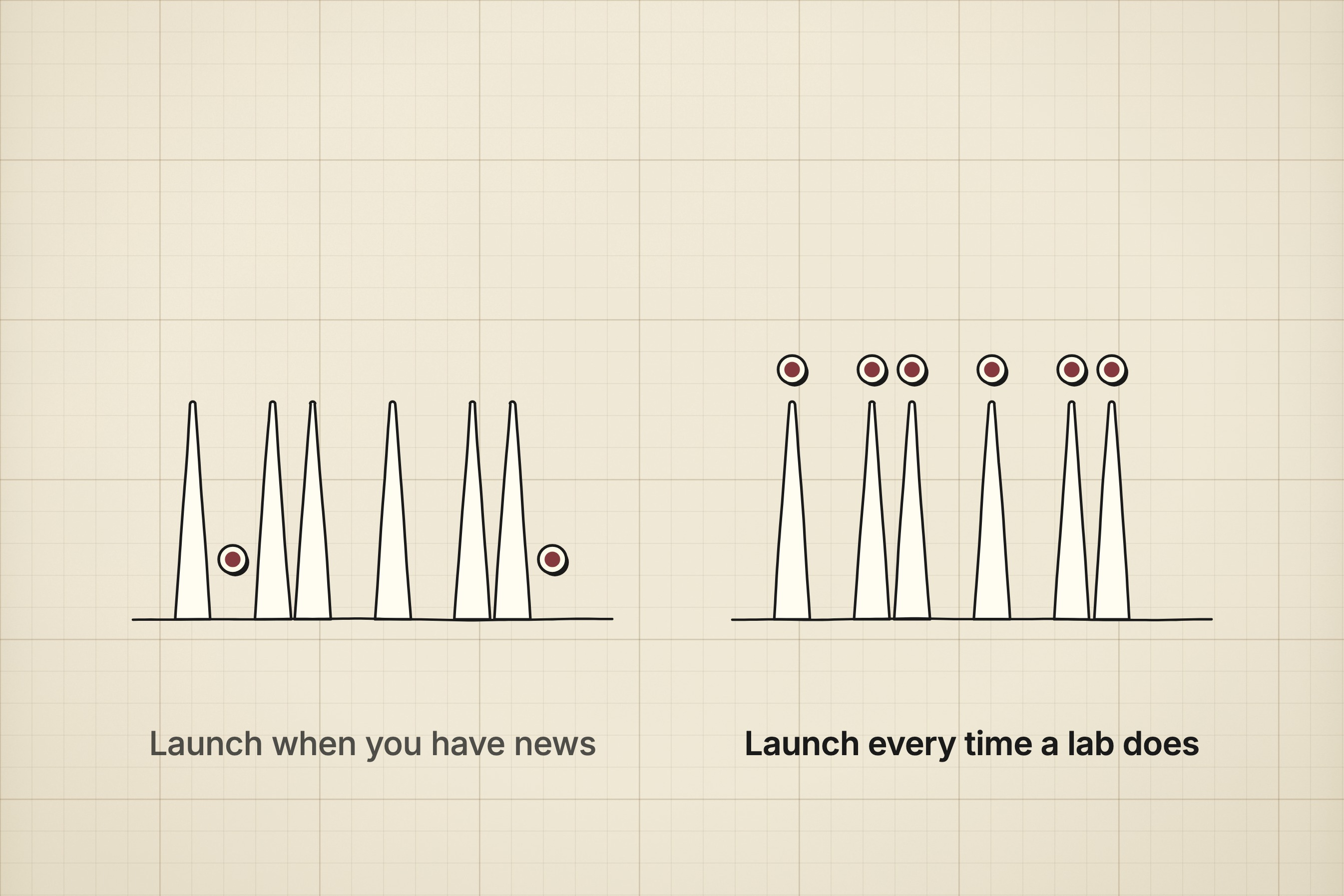
What happened: the labs that build AI models release something new almost weekly at this point, and each launch comes with its own hype which we’ve all lately been bombarded with on X. fal makes sure every good one is live on its API the day it comes out (often planned with the lab weeks before) and posts about it first.
The details:
The Flux launch (Aug 2024) was planned with Black Forest Labs over the summer and revenue went from about $2M to about $10M run rate in its first month.

Google's Veo 3 video model was on fal on June 5, 2025 about 6 weeks before Google opened it to developers in its own Gemini API
They went from about 1 launch a week to 3 or 4 by late 2025, and about 10 new models a week in 2026.
Gorkem says being the first to tweet about a new model meaningfully changes how many people come and use it.
Not the first to do this either, in our deep-dive into Fireworks AI we saw they had every hot new free model running on launch day also (Lin, their CEO: “we kind of become famous on day zero launch”), and in the Hugging Face analysis we also saw how it took off by rebuilding Google’s best language AI in a weekend.
So what: they borrow other people's launches as their content calendar, so labs pay for the hype and they catch demand when it peaks. It compounds because the more often they are first the more labs call them first (a bit like Fireworks did for text models). The bar = execution speed.
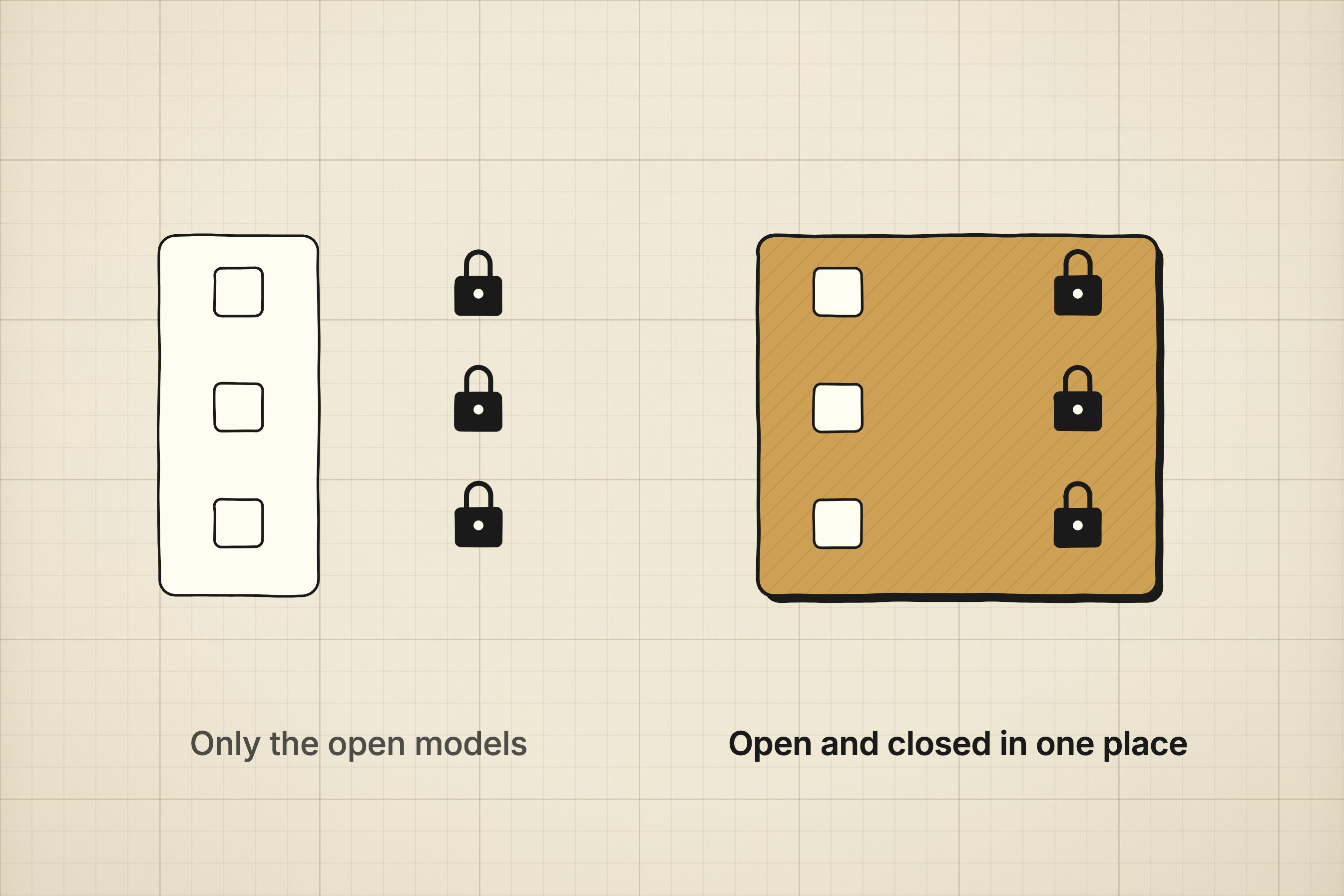
Lever 4: All model in one place (even the labs' closed ones)
“It doesn't matter whether they're open or closed, they should be on fal. If you want every developer to get value here, we need to go and figure out how to get these other models onto the platform.” (Burkay Gur, The New Stack Agent)