đ How Harvey Hit $200M+ ARR by Selling Trust Before Software
The expand-collapse playbook for vertical AI, from a cold email to $11B.
đ Iâm Ivan. I study how top 1% startups grow.
This weekâs sponsor is AI CRM Attio!
Attio is the CRM that transforms how top teams grow. Ask Attio how to win this deal, what to say in your follow-up, where your pipeline actually stands, and get answers with full context, instantly. With Universal Context, Attioâs intelligence layer, every signal across your tools becomes instantly actionable. The engine behind every top 1% startup is a great CRM.
Harvey AIâs Growth Playbook: Putting a lawyer in everyoneâs pocket.
Hello there!
This week weâre deep diving into the growth playbook of one of the most important companies of this AI wave, Harvey.
This is a perfect storm story where you have a combination of extreme product-market fit (LLMâs usefulness on expensive, previously time-intensive, heavily text-based work), talent and investor hunger.
In July 2022, a securities litigator and a DeepMind researcher cold-emailed Sam Altman from their shared apartment in San Francisco.
The email subject line they used was on point:
âDid you know it was this good at legal?â
Attached was a proof of concept where theyâd pulled 100 questions from r/legaladvice (reddit), ran them through GPT-3âs API using chain-of-thought prompting before anyone was talking about chain-of-thought, and sent the outputs to practicing landlord-tenant attorneys. Turns out 86 out of 100 answers passed and nobody at OpenAI had tested this.
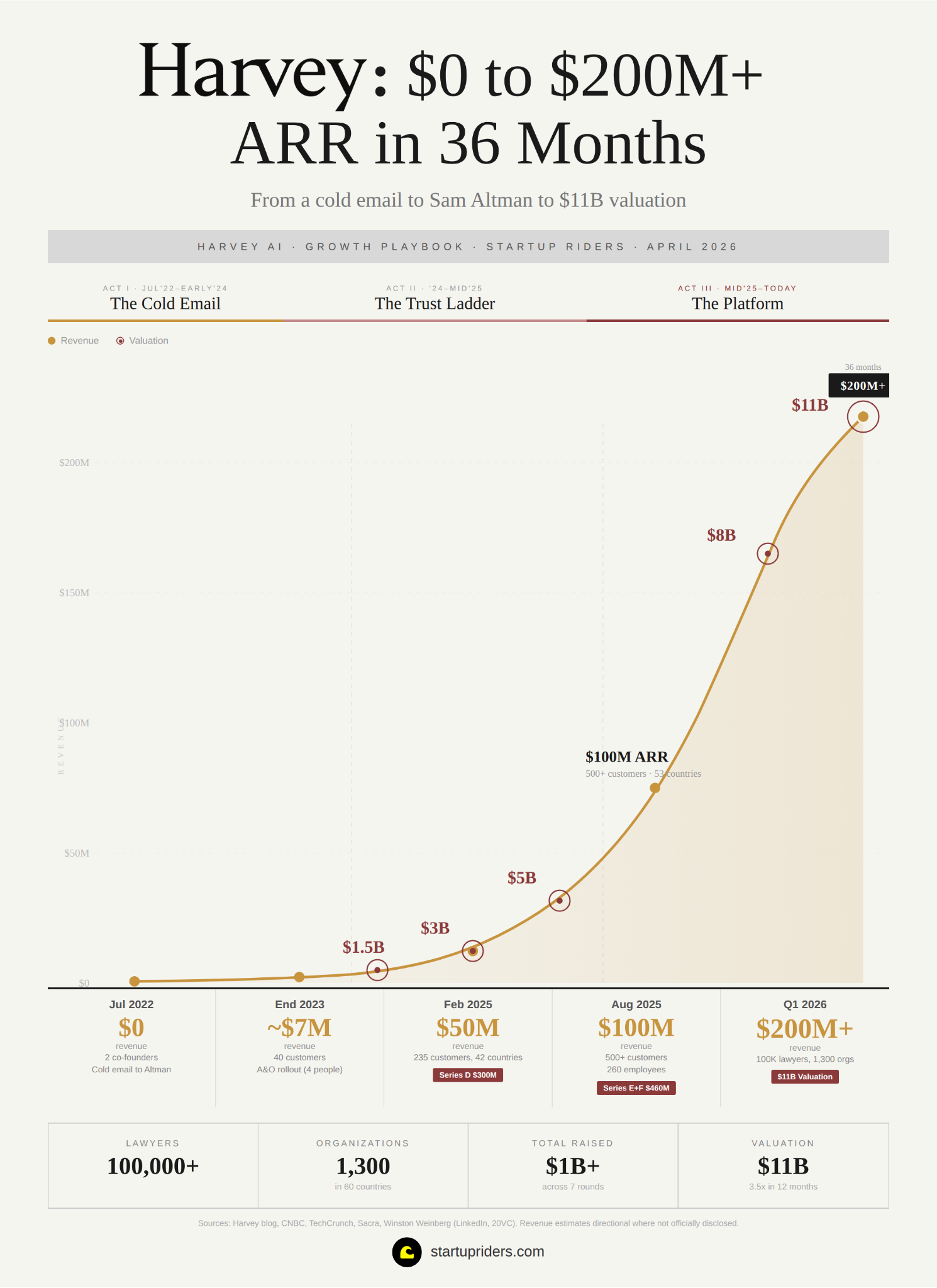
That email led to a July 4th pitch to OpenAIâs C-suite, a seed investment, and what became Harvey, going from $0 to $200M+ ARR in 36 months and an $11B valuation.
Two frameworks run through the whole story:
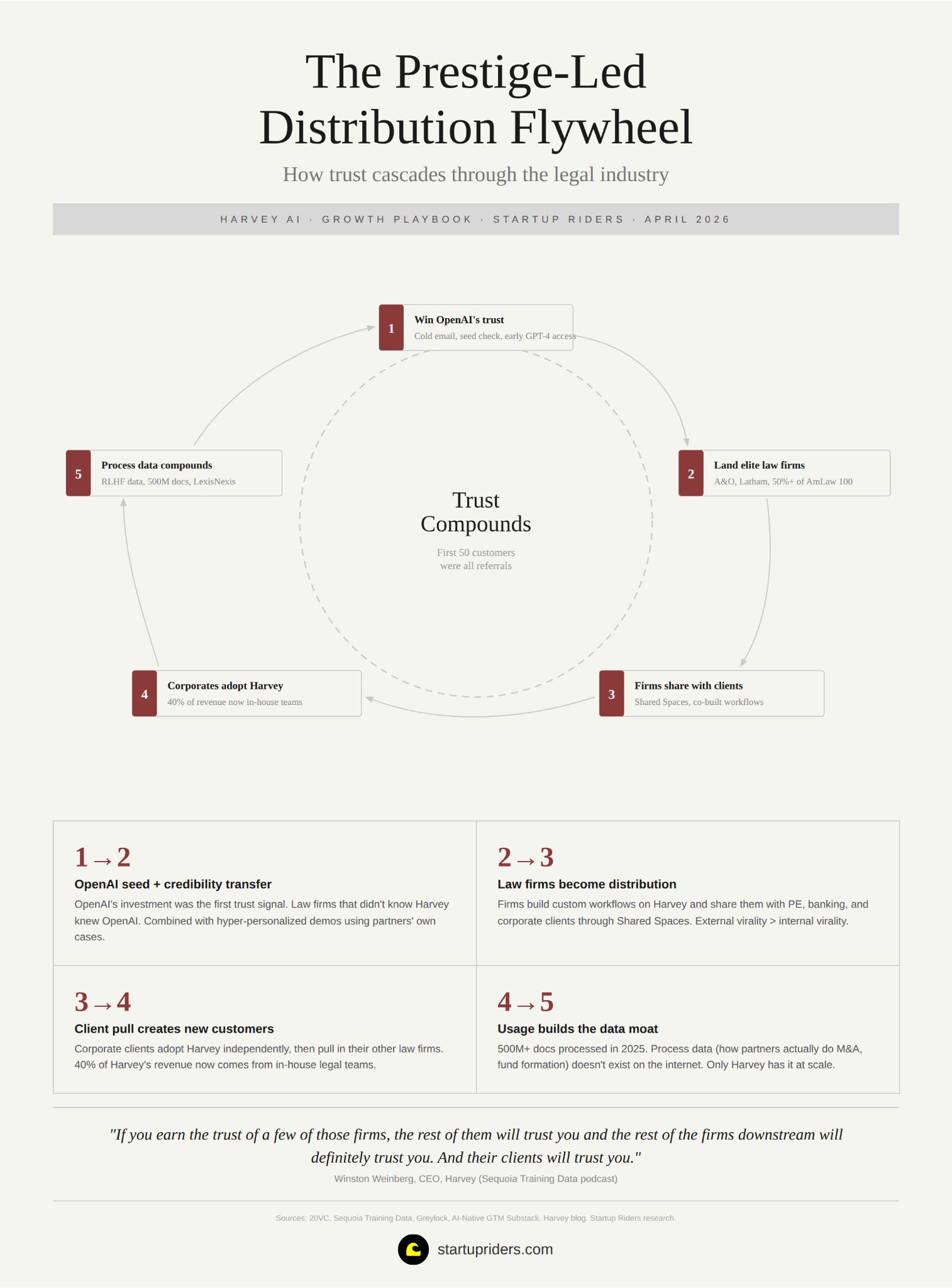
The first is prestige-led distribution: turns out that in professional services trust IS the product. Their hypothesis was that if you win the top firms first, even though it might be much harder to wedge yourself in initially, once you are embedded into those logos trust cascades downward through the entire industry.
The second is âexpand and collapseâ: Build specialized AI agents for narrow legal workflows. Then collapse them back into one interface that routes users intelligently. Which has become somewhat of a blueprint or operating system for how to build a compound vertical AI company in 2026.
What youâll learn in this edition:
How Harvey went from a cold email to $200M+ ARR in 36 months with ~460 employees
Why they targeted the hardest law firms first when every VC said start small
The âexpand and collapseâ product strategy that is the actual playbook for vertical AI
Why Harveyâs CEO says GRR is the metric most AI investors are dangerously ignoring
How theyâre shifting from selling software seats to selling legal work through revenue-share deals
đ Quick note on methodology: 7 podcasts (20VC, Sequoia, Greylock, Kleiner Perkins, Biography Pod, This Week in Startups, Upstart Media), plus press from CNBC, TechCrunch, Bloomberg, Reuters, Sacra research, and Harveyâs own blog. All revenue figures sourced. Treat directional estimates as directional.
Act I: The Cold Email (July 2022 to Early 2024)
How it started
Winston was a first-year litigation associate at OâMelveny & Myers in Los Angeles and his cofounder and roommate Gabe had spent a couple years doing AI research at DeepMind and Meta.
Gabe had been brainstorming horizontal AI assistant ideas with friends from Google Brain, who ended up joining OpenAI and building ChatGPT.
But he went in a different direction.
âWinston showed me all his legal tech. Their document search to search maybe 10,000 documents would take 5 to 10 minutes. He was like, I do the search and then I go on Instagram for a bit. The client gets billed for this.â
Everything in law was text, the workflows were deeply manual and the economics were, as we all known too well when weâre billed for a couple hours of legal work, big.
How the legal market actually works
To understand Harveyâs growth, you have to understand the industry.
The global legal services market is roughly $900 billion (and that is the size of the market today, lets not fall into the classic market sizing trap).
The average US lawyer bills $352 per hour, and the top partners at elite firms bill $2,000+. The gap between a junior associate and the best partner on earth is only about 3-4x in price, which Winston thinks makes no sense and will change.
Law firms are organized around billable hours. Partners give tasks to associates, associates bill hours, and the firm collects. Typically a junior associate does the first draft, a second-year reviews it, a fifth-year reviews that, the partner reviews it one final time, and then it goes out.
This hierarchy matters for AI adoption because it means thereâs a built-in human-in-the-loop review system. The minimum viable quality of an AI output can be lower for a law firm than for an in-house team, because everything gets reviewed anyway.
What excites me the most about this tech shiftâs impact on Legal work is that the average price used to put legal services out of reach for most people, until now.
But the path runs through the premium market first:
Growth lever 1: The contrarian customer choice
Whoever runs the work wins
Every VC and advisor told them to start with small firms, solo practitioners, the SMB market (not sure it is a VCâs job to tell a founder what market to go after).
Instead they went straight to Allen & Overy (now A&O Shearman), one of the worldâs largest law firms and signed a 4,000-person enterprise rollout.
At that time Harvey had 4 people and were working out of an Airbnb.
âSome of our investors were like, this is a horrible idea. Donât do this.â
But Winston understood something about professional services that pure technologists usually miss, which probably came from having worked and experienced how a law firm did things first hand.
âIf you earn the trust of a few of those firms, the rest of them will trust you and the rest of the firms downstream will definitely trust you.
And their clients will trust you.â
The logic was both GTM and product:
On the GTM side, prestige in professional services functions like a trust certificate. If A&O trusts you with their client work, every mid-market firm will trust you too.
On the product side, the hardest work builds the most defensible systems. If you can handle a $68 billion Activision-Microsoft merger, an NDA review should be trivial. ChatGPT could already handle simple NDAs, and going down-market first means building something the models will eat in 18 months.
âThe thing that makes me feel better is if you get to the point where GPT-7 can just do a simple lease analysis... yeah, weâre probably done. But Iâd also say pretty much every other company on earth is done.â
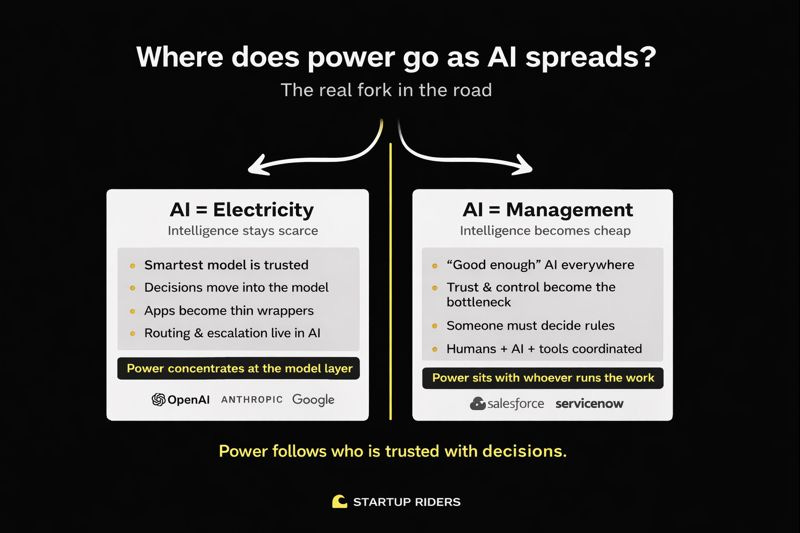
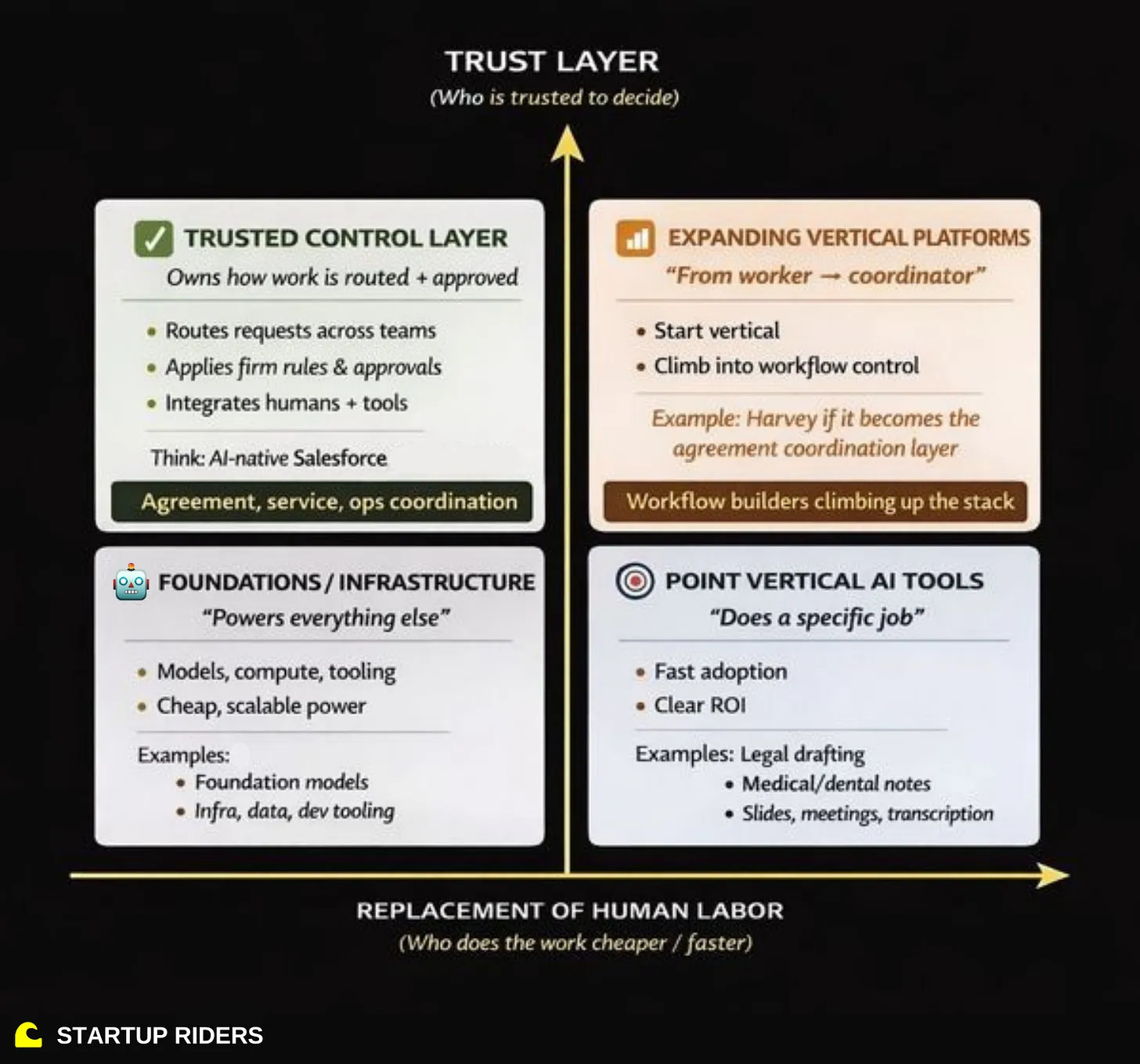
I think their contrarian bet here is aligned with what we called the Systems of Action thesis a few months back. Let me refresh your memory:
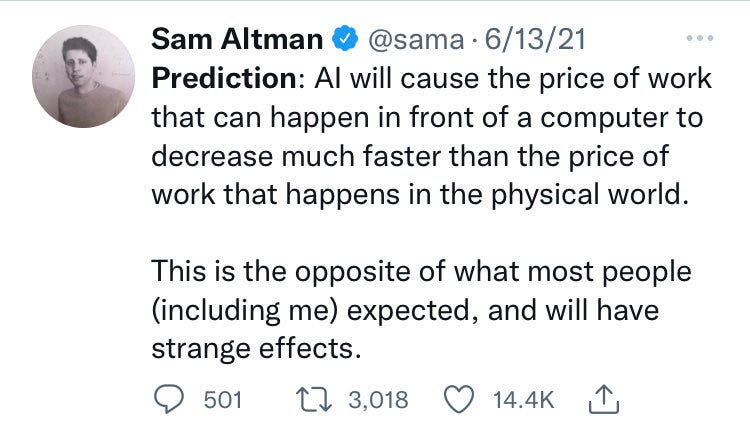
The bet Harvey took here is that intelligence will become cheaper and cheaper.
And if that happens:
âgood enoughâ AI is everywhere
the bottleneck is no longer having intelligence
The hard problems become:
who is allowed to decide
under which rules
with which approvals
and who is accountable when something breaks
Which are coordination problems, not intelligence problems. You can think of coordination as deciding who does what, in what order, under which rules, and who is responsible if it goes wrong. The intelligence is not choosing the goal but rather helping move work through a system of approvals, handoffs, and constraints without humans chasing each other. In this world:
power shifts to systems that control workflows, rules, and decisions
intelligence is a commodity
whoever runs the work wins
This is similar to how Salesforce didnât win by building better databases but by deciding how sales teams track leads, approve deals, forecast revenue, etc.
Harvey would have started as a Vertical AI tool, and if Iâm right would be expanding to become a workflow builder climbing up the stack (platform).
Growth lever 2: Hyper-personalized demos that donât scale
Before every pitch, Winston would look up the partner he was presenting to. Heâd find a recent case theyâd worked on (public court filings, merger agreements filed on EDGAR), and have Harvey analyze their own work.
For litigators apparently this move was pretty shocking.
Heâd upload one of their own filed arguments and say:
âTell me, make holes in these arguments. How would you argue against it? Lawyers are argumentative. Just let them fight with the model. They pay attention to every single word.â
Sometimes the model was wrong, especially in 2023 with early GPT-4, but that almost didnât matter because the lawyers were reading every word, which no software demo had achieved before.
Iâve spoken on here before about talking to a lawyer friend of mine about using Harvey at work (before really knowing much about the company) and was shocked about how much value it drove for her (sharing the tool among multiple lawyers with one licence, saying itâd be incredibly painful to loose it).
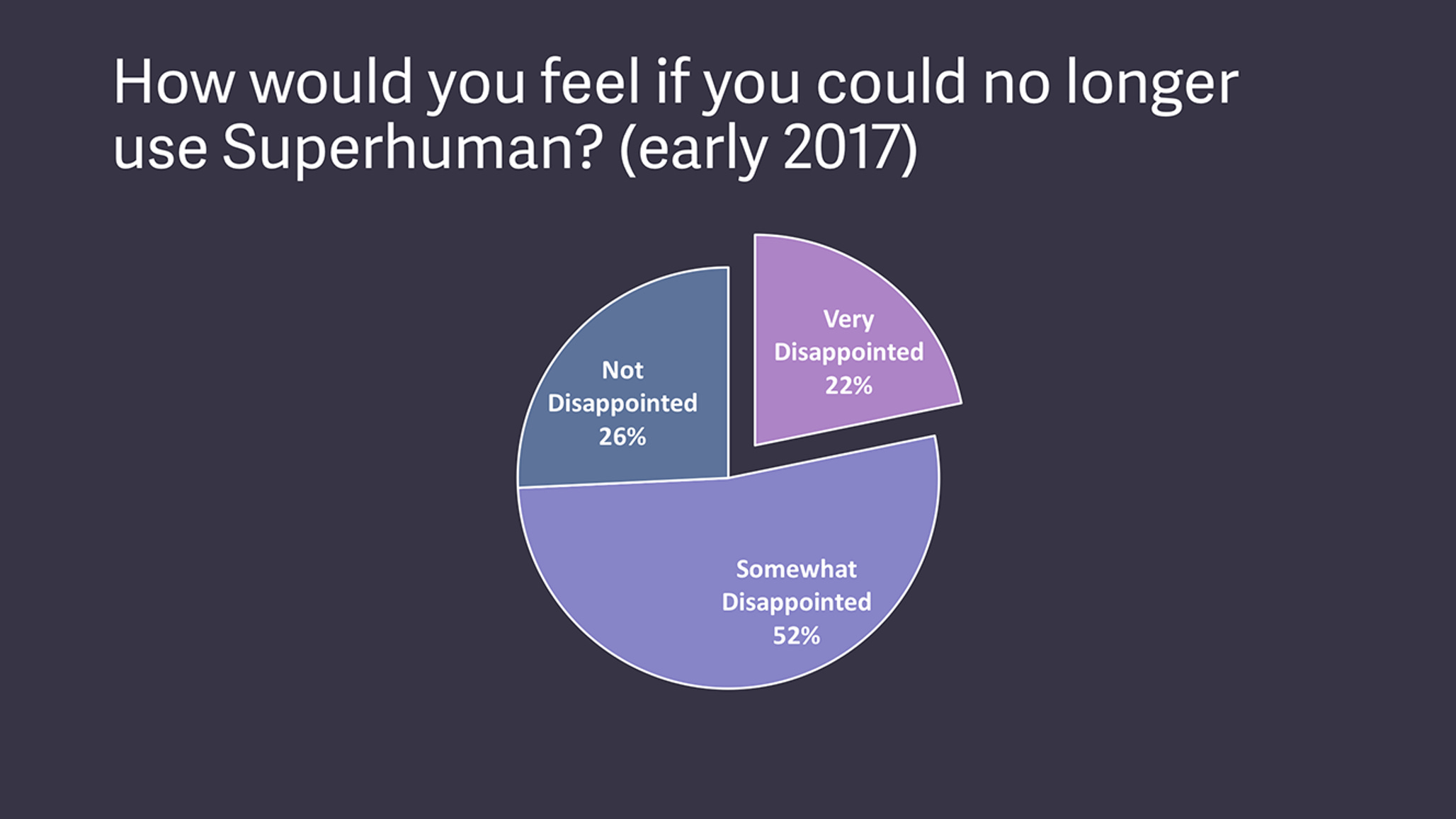
Reminded me of Superhumanâs product-market fit engine and its core question:
âA lot of these products, itâs just populating text and how do you get someone to pay attention to that? Well, you tell a litigator that there might be holes in this argument and they go... but they want to prove you wrong.
And so they really pay attention.â
This is gold for a sales team.
Theyâve since productized this approach, where partners can now click one button and run their own matter through specialized workflows without prompting. Which means the thing that didnât scale became a deployment strategy, and when partners share those workflows with their clients, it becomes distribution.
Growth lever 3: The trust flywheel (external virality)
Our strongest product-led growth has been external virality.
Harveyâs strongest growth loop is likely external, where law firms are bringing Harvey to their clients. Hereâs how it works:
A private equity fundâs law firm builds a fund formation workflow on Harvey.
The firm shows it to the PE fund.
The PE fund says âwe want this too.â
The PE fund is a happy customer, they start pulling in their other law firms.
A&O hit 70-80% daily usage during the initial pilot, so during the trial 3,500 lawyers asked 40,000 questions before the firm committed to a broader rollout.
Their first 50 enterprise customers were all referrals from law firm clients. By end of 2023, they had ~40 customers and were running at roughly $7M ARR (my estimate based on reported 4x growth to $50M by early 2025).
Act II: The Trust Ladder (2024 to Mid 2025)
This is where most AI companies stall or what weâve been calling âvibe-revenueâ. Now you have to actually retain, expand and build the machine that scales.
So how did they do it?
Growth lever 4: Expand the product, collapse the UI
They expand the surface area of the product, then collapse the UI. Rinse + repeat.
Legal work breaks down into roughly 10 categories of action:
drafting
document comparison
case law research
regulatory research
clause extraction
contract review
data room processing
merger control analysis
disclosure schedules
plus a few others.
Each needs its own specialized system and the extraction engine that processes a million contracts in a due diligence exercise is not the same system that drafts a counterargument for a litigation motion.
So what did they do?
First you expand: You build each specialized system separately, optimizing for accuracy within that narrow domain. You hire lawyers who sit next to engineers and evaluate outputs and you build process data that doesnât exist anywhere else. âThe process data for how do you do disclosure schedules or what is market... those are not things that are just on Reddit somewhere.â
Then you collapse: You bring all these specialized systems back into a single interface where the model routes users to the right tool based on their query. Apparently they call these ânudges.â Type a case law question, Harvey suggests connecting to LexisNexis data. Upload a merger agreement, Harvey suggests running the due diligence workflow. Which translates into a product that doesnât force the user through menus because the AI does the routing.
âWe will take a bunch of use cases that are very high value. Weâll build out a specific workflow to do that use case and then we will chain them together so that you can complete a task from start to finish.â
This cycle has a measurable result with a DAU/MAU for users whoâve adopted 4+ product lines at 75% (a little bird told me its now closer to 85%). As much as possible, they also try to embed Harvey where lawyers already do their work, as opposed to bringing them to yet another surface.
On the other hand the percentage of users who have used 4+ products is still very low, but apparently doubling every quarter.
âWhat I really care about next year is can we make this like infrastructure? Can we make it so it is a core piece of a lawyerâs work and day and they live in it?â
It seems to be working because in the past six months users have built over 18,000 custom workflows.
They also partnered with LexisNexis, integrating legal data directly into the platform including case law, citation checking, and pre-built litigation workflows. Which means lawyers can both design their own processes and rely on high-quality legal data without leaving Harvey (notice the intentional pull towards becoming a trusted platform).
LexisNexisâs parent RELX is also an investor in the company.
Growth lever 5: Invest in infrastructure before you need it
40% of their engineering, product, and design team today is made up of senior infrastructure engineers
Which means theyâre heavily investing in the underlying systems that power the product rather than just the surface-level features, suggesting a focus on scalability, reliability, and enterprise-grade performance as a moat.
âIf you go through the LinkedIn profiles of a lot of AI application layer companies and look at the engineers theyâre hiring, itâs like 90% front-end engineers. Which is interesting to me.â
Apparently Harvey went through a short hiccup phase on this, like most "supposedly AI wrapper companiesâ (proved wrong), spent a little too much time building beautiful front-ends and demos to land big customers relative to getting ahead of infra needs. Shipping velocity slowed while they rebuilt the backend.
Growth lever 6: GRR is the hidden metric
Seat count doubles within 12 months of deployment
âA lot of investors in the AI space have not been paying (enough?) attention to Gross Revenue Retention. Theyâve been basically just looking at net new ARR. I think thatâs a huge mistake.â
Winstonâs argument is that thereâs going to be a reckoning once AI companies get past $100M ARR. Companies that signed a bunch of enterprise deals but canât support those customers at scale will start losing them.
Harvey doesnât disclose their GRR publicly but the expansion data shows how median seat count doubles within 12 months of deployment, and apparently weekly active users quadrupled year-over-year.
And their publicly shared revenue trajectory seems to confirm it, going from $50M ARR in early 2025 to 200M+ in Q1-26, while keeping + expanding existing customers.
Growth lever 7: Hire domain experts (not just engineers)
Harvey has more lawyers on staff than most legal AI companies have total employees.
About 20% of the companyâs ~460 employees are lawyers and they typically serve two functions:
The first is sales credibility: Harvey hired attorneys from White & Case, Latham & Watkins, Skadden, and Paul Weiss for their sales team. When a former Wachtell Lipton partner calls to discuss legal AI, general counsels take the meeting. Domain credibility closes enterprise deals that cold outbound never could.
The second is product design and evaluation: They define the actual workflows step by step. What does a partner do when reviewing a merger agreement? What are the 15 sub-tasks? What data do they need? What does âgoodâ look like? This process data doesnât exist in any textbook or on any website.
And you canât use junior lawyers for evaluation because if juniors could evaluate the work, theyâd be seniors. The evaluation problem in legal AI is that the people qualified to judge quality are expensive, and you need them embedded in the product team.
âWe had lawyers from the Dell take-private stand up and explain how they decided what a tracking stock was. The engineers in the audience start going from âoh, this is really hardâ to âthis is really impressive.ââ
The cultural effect matters too, where engineers who respect the domain build better products.
Act III: The Platform (Mid 2025 to Today)
Growth lever 8: Sell work (not just software)
We are transitioning from just a seat-based company to actually selling the work as well.
This is the most consequential shift for the legal industry and for how we think about vertical AI companies (related to our post on AIâs $1T blindspot):
What this means in practice is that they build custom AI solutions with law firms, then those firms sell the solutions to their clients through revenue-share agreements.
For example, when a private equity fund wants an automated fund formation, Harvey builds the workflow with the PE fundâs law firm, then the law firm sells it to their client (and they take a cut).
Law firms already operate at a loss on certain types of work to win relationships (i.e. fund formation compliance, low-end regulatory reviews, routine side letter checks etc).
They do this cheaply to land the big M&A mandates later, but now Harvey can make that loss-leader work profitable while the law firm still gets the relationship value.
âA law firm that has done fund formation for a private equity fund 20 times, 30 times... you might end up where they have an AI fund formation platform they developed in Harvey.â
The incentive flip is here is that the law firm goes from âminimize what I spend on Harveyâ â âmaximize what I can sell through Harvey.â
And whatâs most interesting is that the budget comes from a different line. The budget comes from their professional services spend (billions) instead of their technology budget (millions).
âThat product Iâm paying maybe a million dollars for a year just earned me a deal thatâs 20 million. What is the ROI on that?â
It also goes deeper than ROI because Harvey isnât just selling efficiency but also speed, to a buyer who suffers from a 50% deal death due to speed.
If you can close a cross-border M&A in two weeks instead of six and a counter bid comes in during week three, Harvey theoretically just saved an entire deal. Which is great ammunition for Harveyâs sales reps.
Growth lever 9: Winning the land grab.
The Uber Vs Lift moment for Legal AI
Legal AI has turned into a two-player race. Harvey and Legora now show up against each other in most enterprise procurement decisions at major firms.
The VCs picked sides:
Sequoia, a16z, Kleiner Perkins, Coatue, EQT, GV and Evantic on Harvey.
Benchmark, Bessemer, General Catalyst, Accel, ICONIQ on Legora.
Harvey has roughly double Legoraâs revenue ($200M+ vs ~$100M est.) but Legora started a year later and is growing fast according to its investors. There seems to be a little bit of a rivalry between both sets of founders.
In terms of positioning:
Harvey runs ~6 foundation models (OpenAI, Anthropic, Google, Mistral among others) with an orchestration layer that picks the best one per task. On top of that sits the deep process data that lives inside law firms and usually nowhere else.
Legora is built primarily on Claude and optimized for speed at scale, with structured extraction, large document processing, tight Microsoft Word integration and so on.
A few things Harvey has that are hard to copy:
LexisNexis data inside the product (exclusive partnership): Shepardâs Citations, US case law, all accessible without leaving Harvey.
Shared Spaces: Law firms and their clients working in the same Harvey instance. Took a year to build because if youâre a PE law firm representing 10 funds, Fund A can never see Fund Bâs data. Ethical walls tend to be hard to build and enforce.
Process data: 500M+ docs processed. 18,000 custom workflows built by users. How partners run disclosure schedules, what counts as âmarketâ for a specific clause. This all lives inside law firms and therefore now also inside Harvey.
Ex-BigLaw sales team: Attorneys from White & Case, Latham, Skadden picking up the phone.
But what keeps Harveyâs founders up at night (and it should) are foundation models.
When Anthropic launched its legal plugin for Claude this year, publicly listed legal software companies dropped 18% overnight. Meanwhile Legora is built on Claude. If Anthropic goes deeper into legal, Legoraâs own foundation becomes a competitor.
âThe biggest risk to startups isnât competitive dynamics. Are you hiring the right people, are you promoting the right people, are you letting the right people go?â
What Actually Matters Here
Thatâs it for this week folks.
Cheers,
Ivan
P.s. if you want to help me out, the best thing you can do is to share my work! đ
đ Building something in this space? We invest âŹ100K-3M at pre-seed and seed. If youâre raising or know someone who is, please send us your deck via DM.
đ Bibliography
Podcasts (primary sources)
Harvey CEO Winston Weinberg on 20VC with Harry Stebbings (2026)
Harvey on Sequoiaâs Training Data podcast with Sonya Huang (2025)
Kleiner Perkins Fellows Panel with Gabe Pereyra, Shiva Gurumurthy (Aug 2025)
This Week in Startups, Harvey AI episode
The Biography Pod, âHow He Built an $8BN AI Company in 3 Yearsâ
Greylock Change Agents, âPowering the AI Law Firmâ with Gabe Pereyra (Dec 2025)
Upstart Media, Harvey AI episode
Press and Financial Data
CNBC, âLegal AI startup Harvey raises $200M at $11B valuationâ (Mar 25, 2026)
TechCrunch, âHarvey confirms $11B valuation: Sequoia triples downâ (Mar 25, 2026)
TechCrunch, âHarvey reportedly raising at $11Bâ (Feb 9, 2026)
TechCrunch, âLegal AI startup Harvey confirms $8B valuationâ (Dec 4, 2025)
CNBC, âLegal AI startup Harvey hits $100M ARRâ (Aug 4, 2025)
Bloomberg, âHarvey Raises $200M, Reaching $11B Valuationâ (Mar 25, 2026)
Reuters, âLegal software firm Harvey valued at $11Bâ (Mar 25, 2026)
Fast Company, âHarvey, OpenAI, and the race to use AI to revolutionize Big Lawâ (Nov 3, 2025)
Fast Company, âMost Innovative Companies 2026: Harveyâ (Mar 2026)
Fortune, âHarvey raises $300M at $5B valuationâ (Jun 23, 2025)
Harvey blog, Series D announcement (Feb 2025)
Harvey blog, $11B raise announcement (Mar 2026)
Harvey blog, LexisNexis strategic alliance announcement (Jun 2025)
Analysis, Research, and Market Data
Sacra, Harvey revenue, valuation and funding analysis
ARR Club, Harvey AI ARR tracking
Newcomer, âHarvey & Legora in a Land-Grab Raceâ (Apr 2026)
GetLatka, âHow Harvey Scaled to $100M Revenue in 36 Monthsâ (Aug 2025)
AI Insider, Harvey $200M analysis (Mar 2026)
Silicon Valley InvestClub, Harvey AI company profile
Contrary Research, âHarvey Business Breakdown & Founding Storyâ
AI-Native GTM Substack, âHarvey: How a Legal Tech Startup Built a $5B Businessâ (Jul 2025)
Artificial Lawyer, âLexisNexis + Harvey Announce Allianceâ (Jun 2025)